When does custom software pay off compared with standard software?+
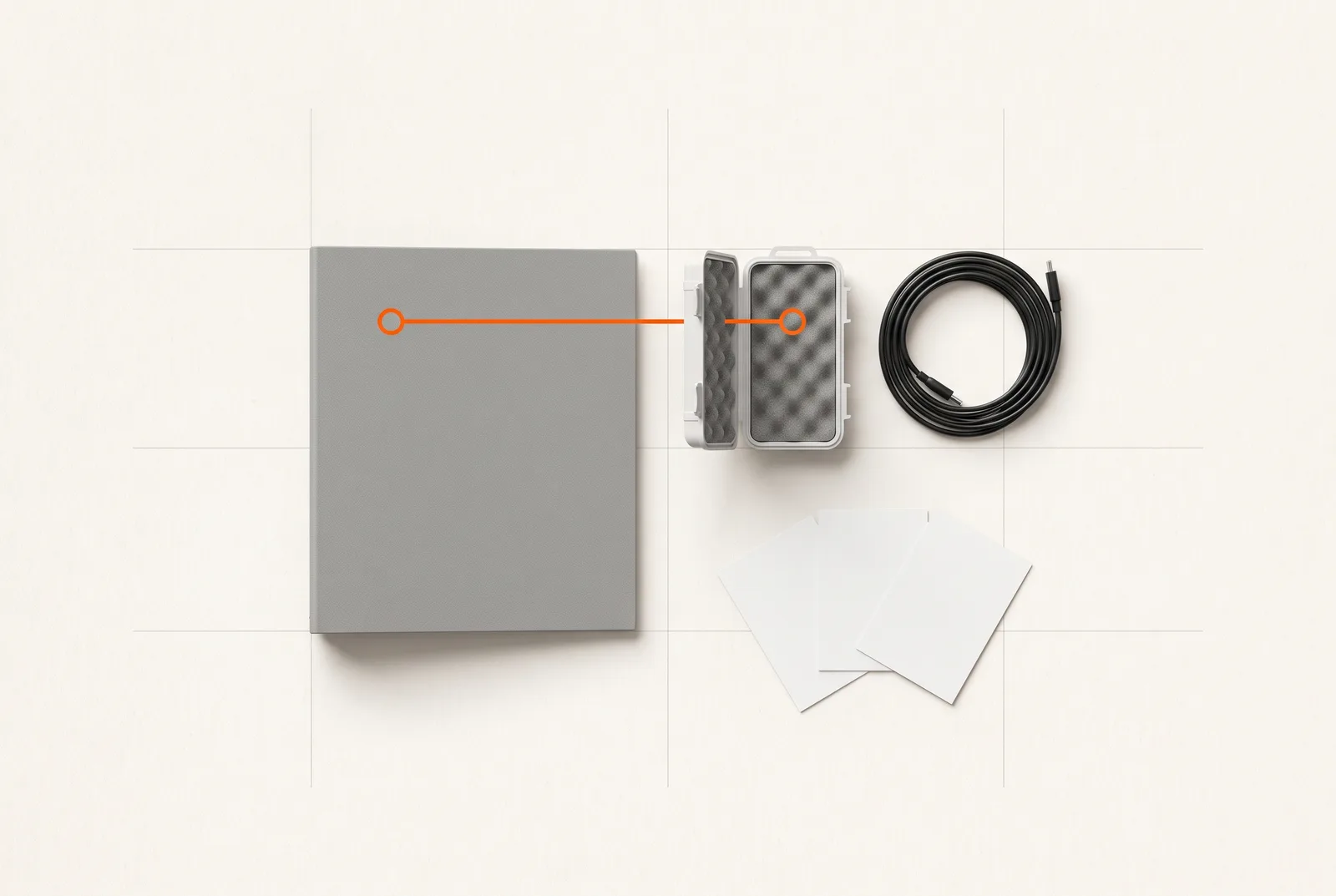
Custom software pays off when the workflow sets you apart from others, rules change often, or many interfaces exist to legacy systems. For workflows that run the same everywhere, a well-maintained standard product usually carries further. In between sits standard software with targeted extension, as the matrix above shows.
How do you replace a legacy system without a risky cut-over date?+
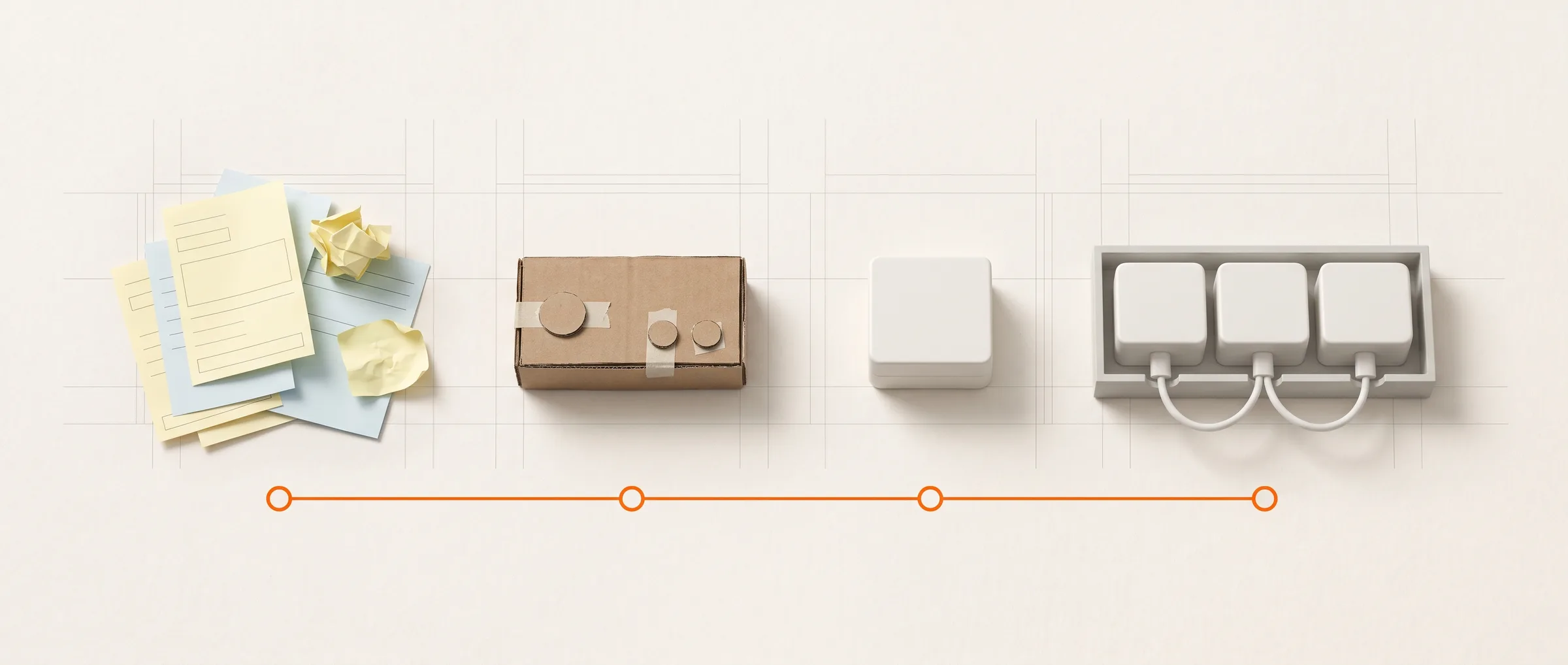
You replace it in stages. First, edge modules with few dependencies move over, old and new run in parallel for those modules, and a front interface routes requests to the responsible system. That keeps what can go wrong on any single day limited.
What does the e-invoicing obligation mean for existing systems?+
Under section 27(38) of the German VAT Act (UStG), invoices between domestic businesses may still be transmitted on paper or in other electronic formats during a transition period: for revenue from 2025 and 2026 until the end of 2026, for revenue from 2027 until the end of 2027 only below the law's revenue threshold or via EDI. A legacy system that generates invoices needs structured invoice data by then. Which deadline applies to you is something your tax advisor can clarify.
How reliable is an estimate before the first click-through prototype?+
As a range it is useful, as a single figure hardly at all. Before the prototype, scope, special cases and third-party systems are usually described but not verified. With every interim version that users operate or a third-party system confirms, the range narrows.
Your own server or the cloud?+
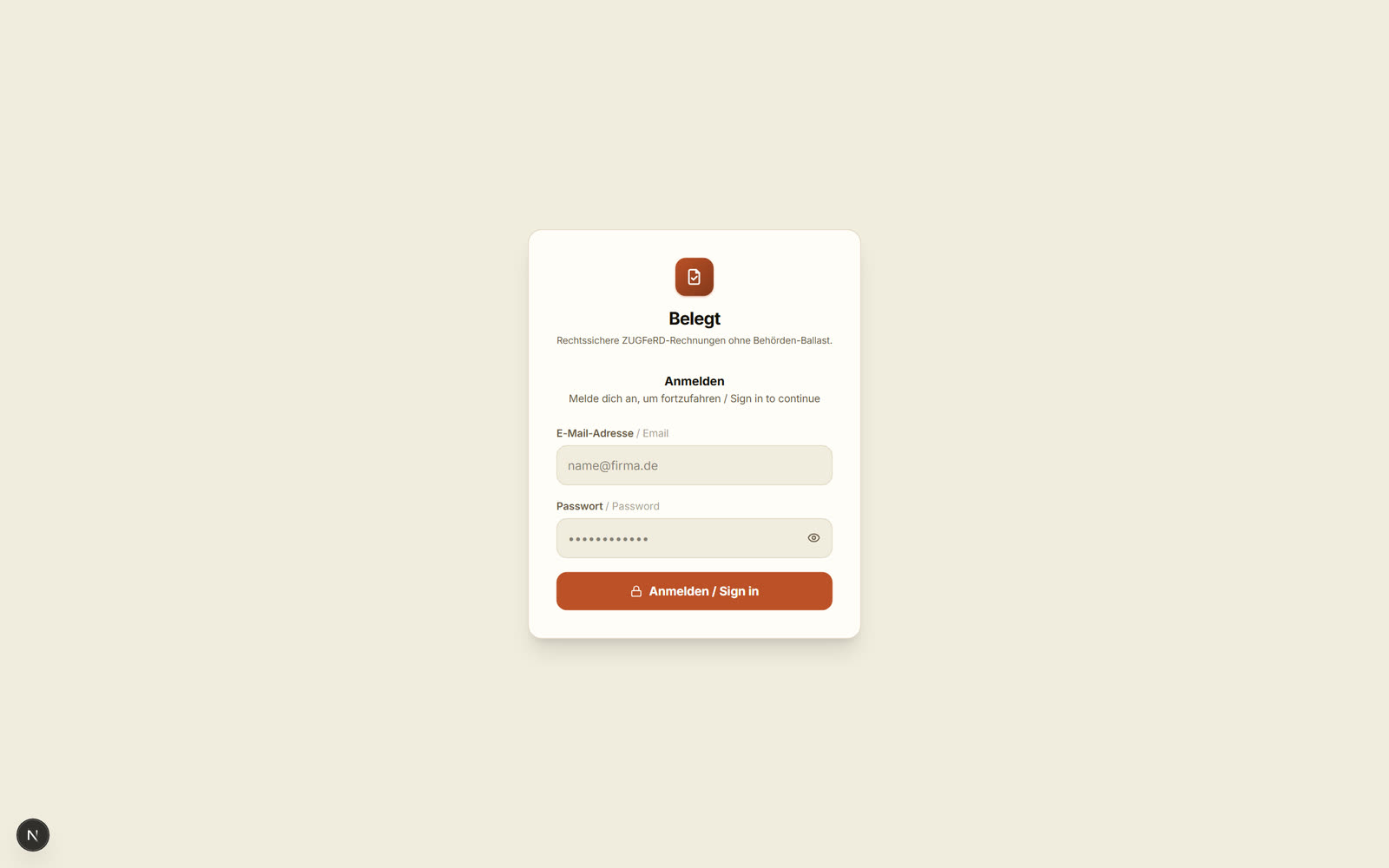
Both are possible; what matters is data, operations and dependency. The Nomad X Collective platform stores images in cloud storage in the eu-central-1 region, while Belegt is self-hosted instead, and receipt data never leaves the building. Both approaches can be built so that a later switch stays possible.
Can an application someone else built be developed further?+
Yes, provided the source code and access exist. The first step is a review: can the application be built, are there tests, are interfaces and the data model described? From that follows whether continuing to build, stabilising or gradually replacing makes sense, including for no-code or AI-generated builds.
Can we develop the software further ourselves later on?+
Whether that succeeds is decided during the build. Handover usually includes source code, documentation, tests and an operations description, with which your team or a provider of your choice can continue the work. The more widespread the technology used, the more teams can carry an application forward.
Does every new application need AI?+
No, many tasks first need a clean data model, interfaces and an operable interface. A language model pays off with language and unstructured documents, for instance when a business card or a voice note should become a CRM entry.