

Knowledge
AI and knowledge management: fundamentals, architecture, practice
How companies make knowledge findable, keep it secure and put it to work with language models: from retrieval-augmented generation through semantic search and document AI to permissions and checking AI answers. Each page opens with a short direct answer and lists its sources.
-

-
 Retrieval-augmented generation Retrieval-augmented generation (RAG) explained: pipeline, variants, limits How RAG works: the pipeline from ingestion to citation, chunking strategies, hybrid search, reranking, typical failure modes and variants.
 -

-
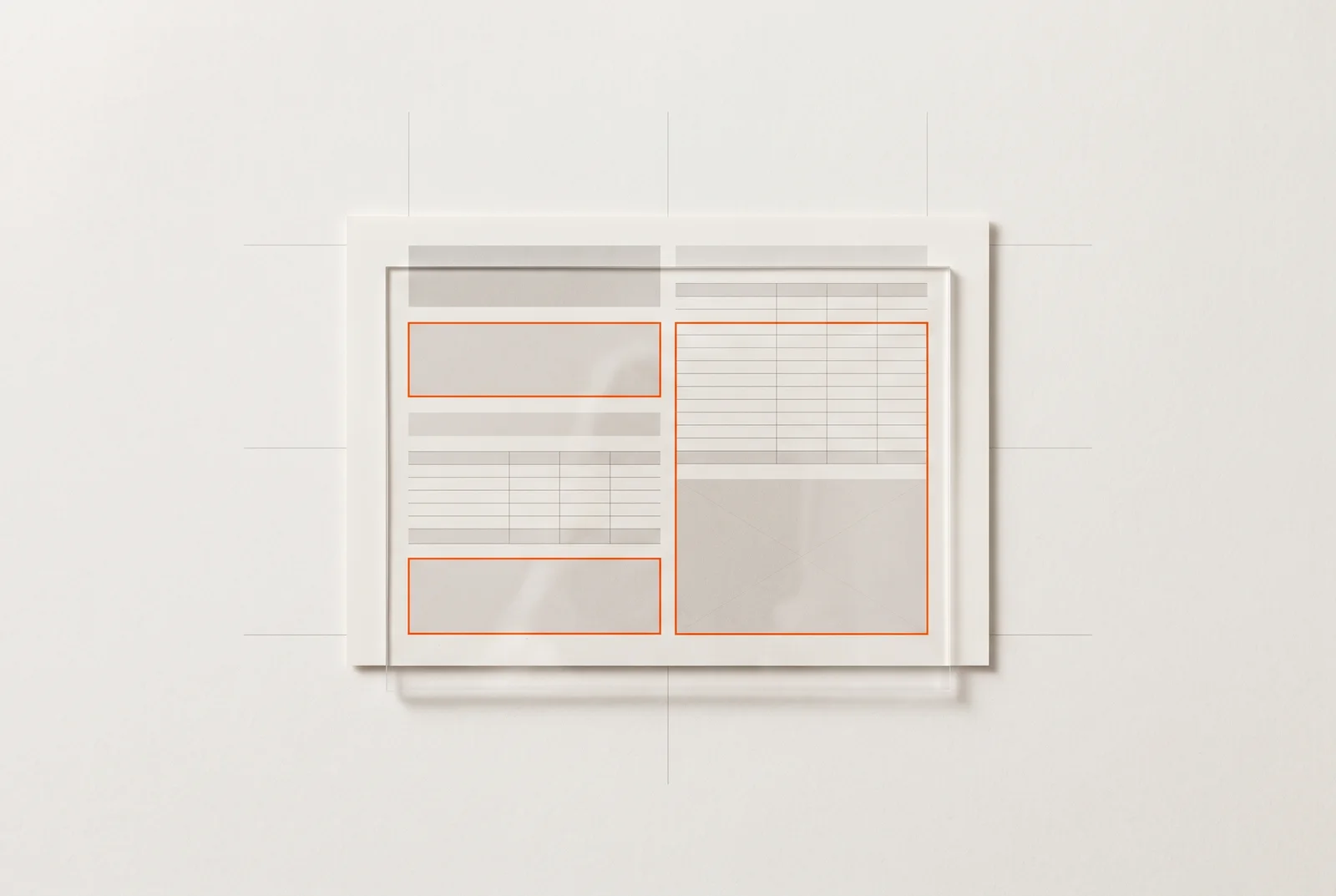 Document analysis How AI reads documents: OCR, layout and visual search How AI reads documents: the classic OCR pipeline, layout-aware models, visual search like ColPali, tables, scans and how to measure quality.
 -

-

-

-

-

-

For readers moving from understanding to building: software development and the series From Prototype to Production. For the question of whether and where AI makes sense for your company: KI-Beratung.
Let us talk about your project
Whether it is a prototype, an internal tool or an AI application: describe briefly what you are building or want to take into production.