

R&D LAB Computational Design Study A concept vehicle, not a real car
Atlas EV1
An interactive 3D anatomy of an electric car, generated entirely in code
Twelve chapters take an electric car apart, down to a single cell. No model files, no textures: 327 parts generated from one dimension table.
- 327registered parts, generated from one dimension table
- 0model files, textures and network requests
- 3physical impossibilities caught before anything was rendered
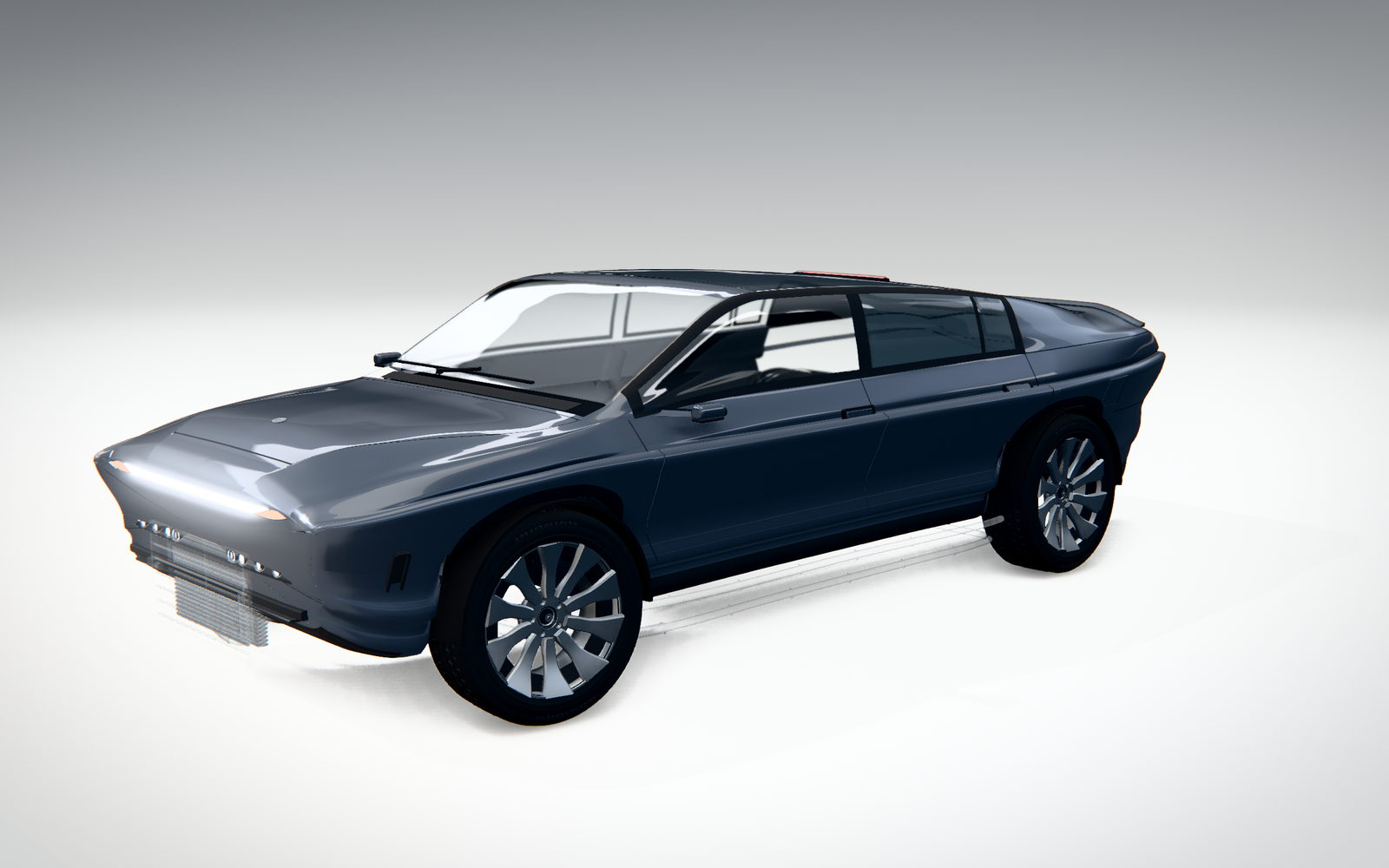
Atlas EV1 is an invented vehicle. Every dimension is chosen to be internally consistent, and none of it is taken from a real car.
Why this is published
We sell 3D, computational design and technical communication. Atlas EV1 is the evidence on a hard subject: an object nobody understands at a glance, explained down to a single cell, without a modelling seat, an asset licence or four hundred megabytes of geometry to download. A piece like this costs a script, not a studio. Anyone with a machine, a process, a product or a building that has to be explained to someone who does not already understand it can see both things here: what we can build, and what we check it against.
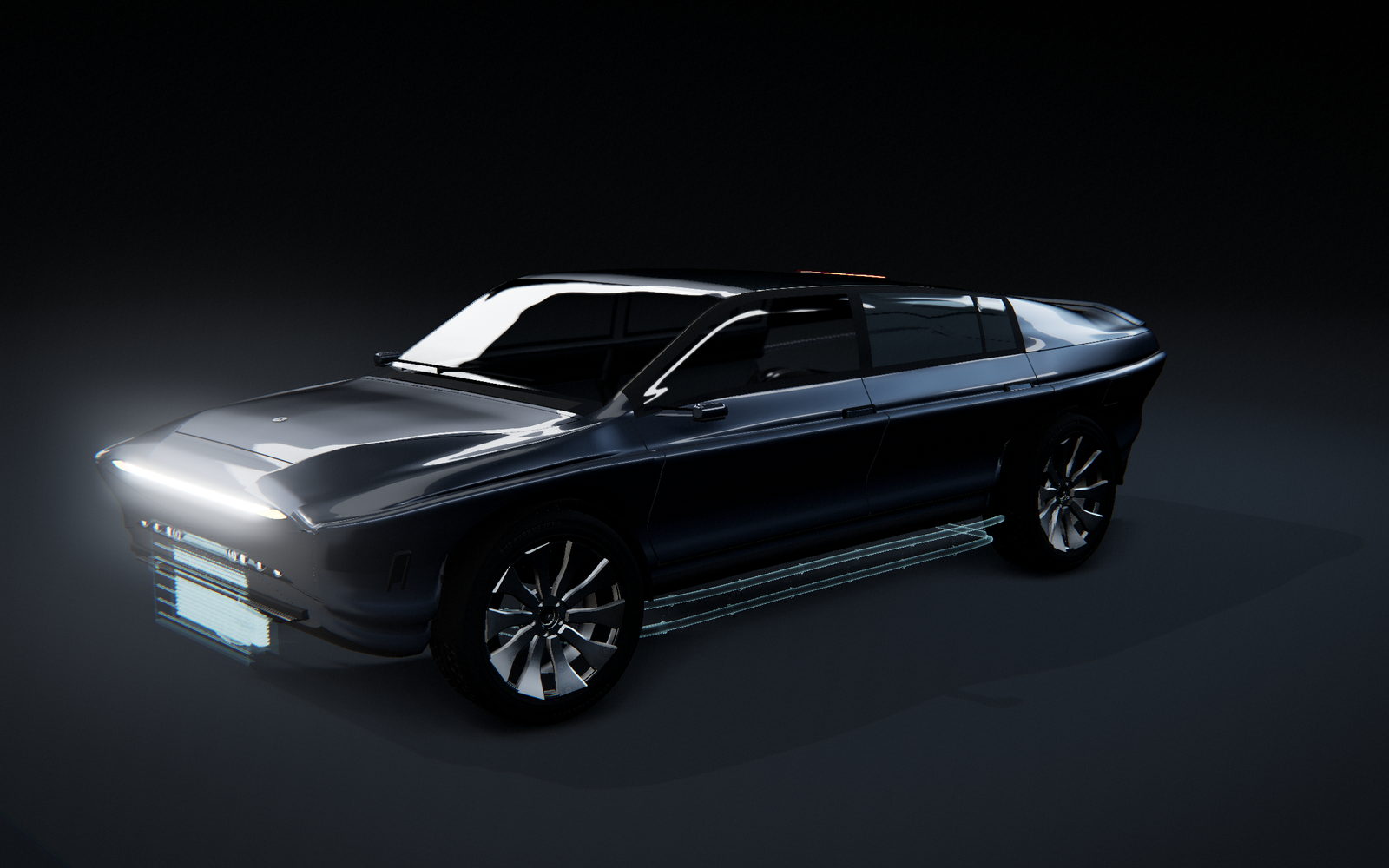
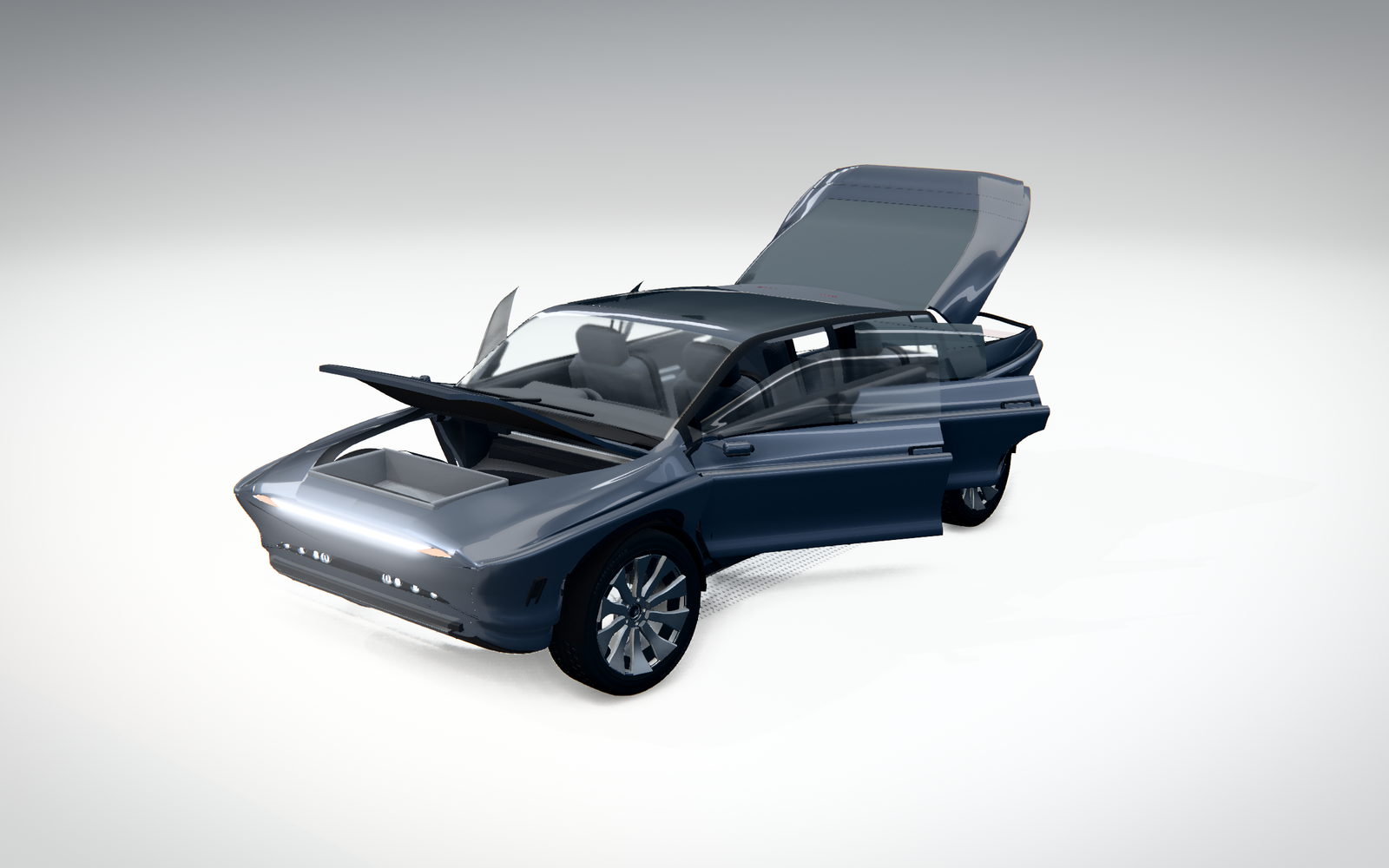
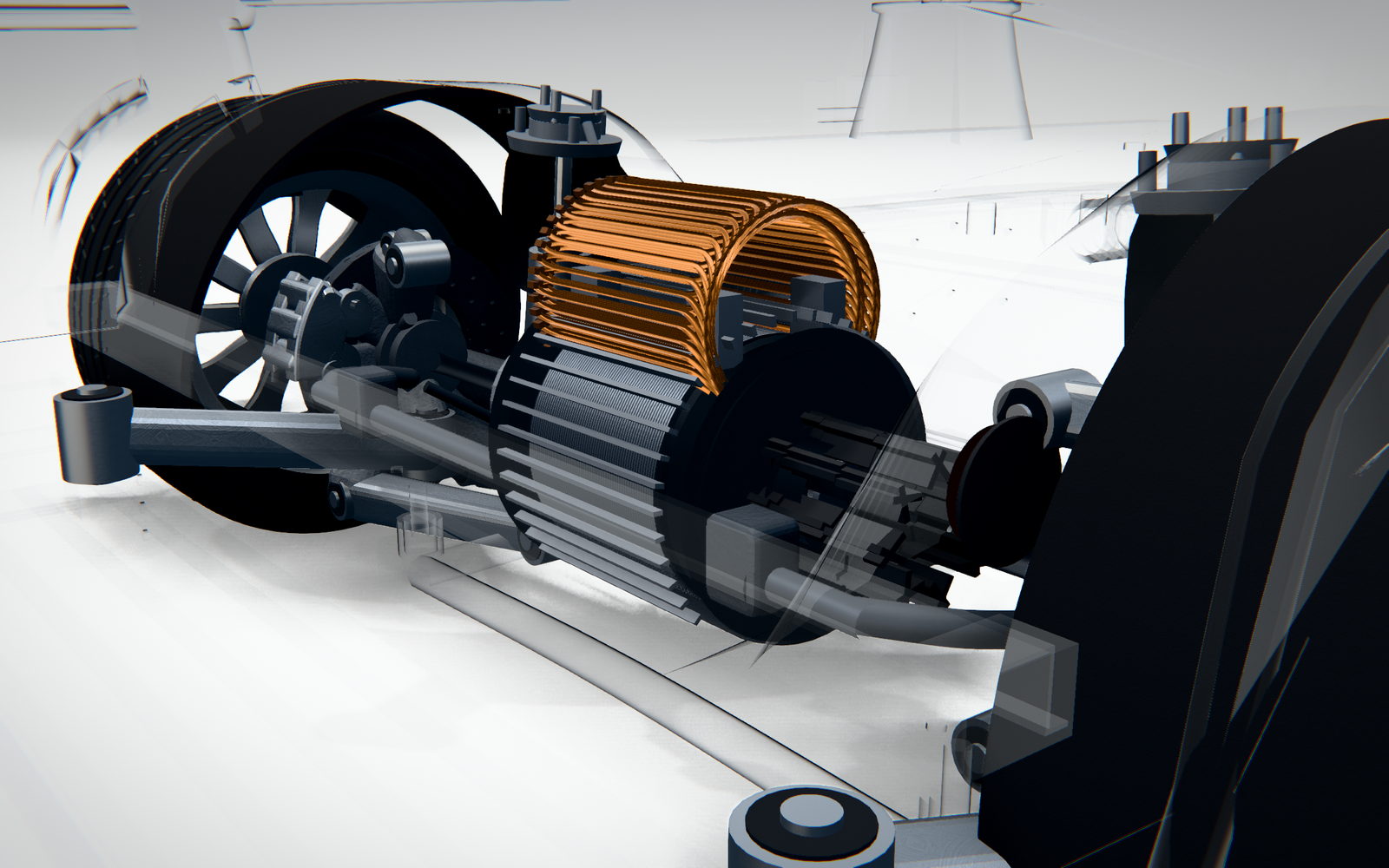
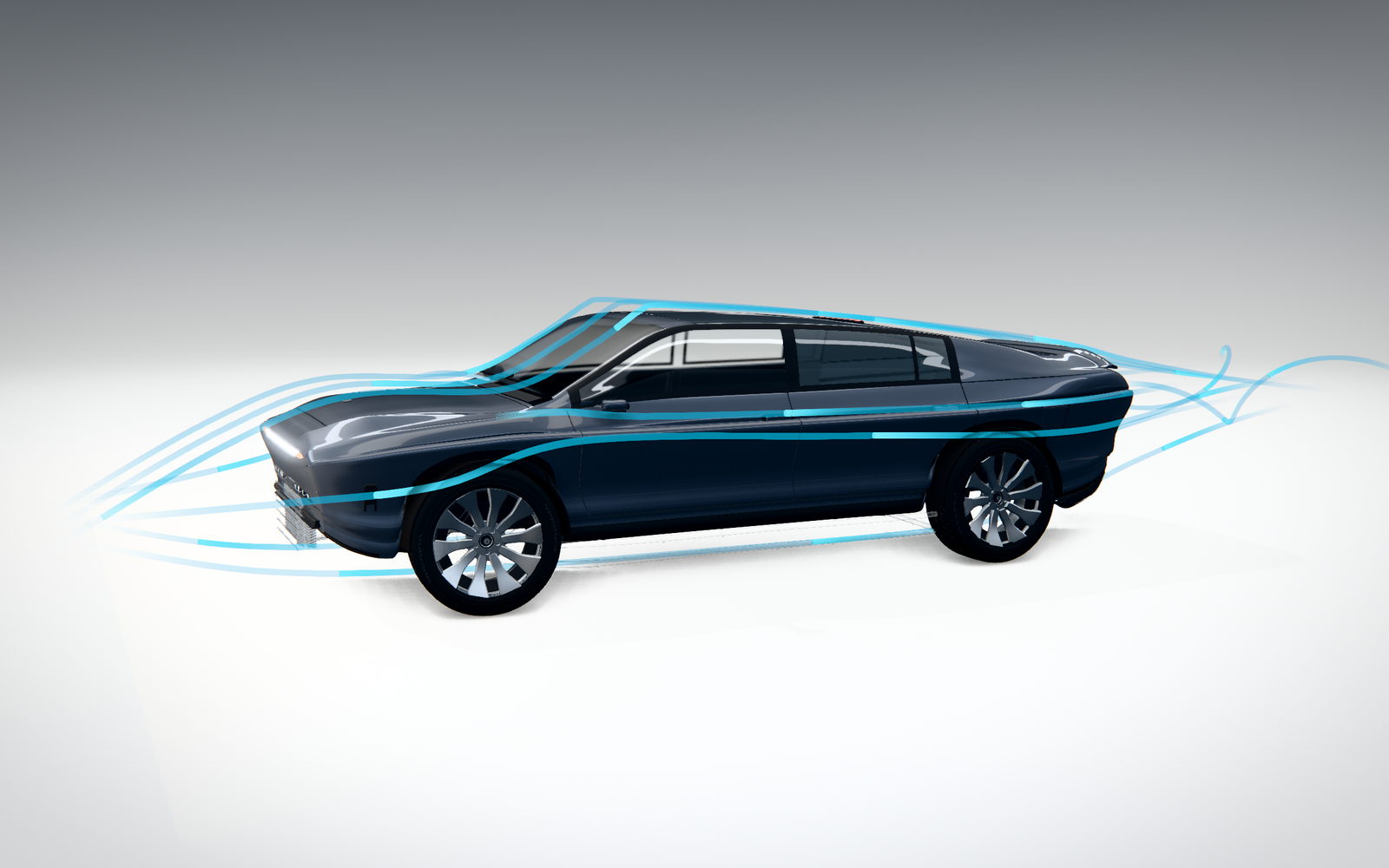
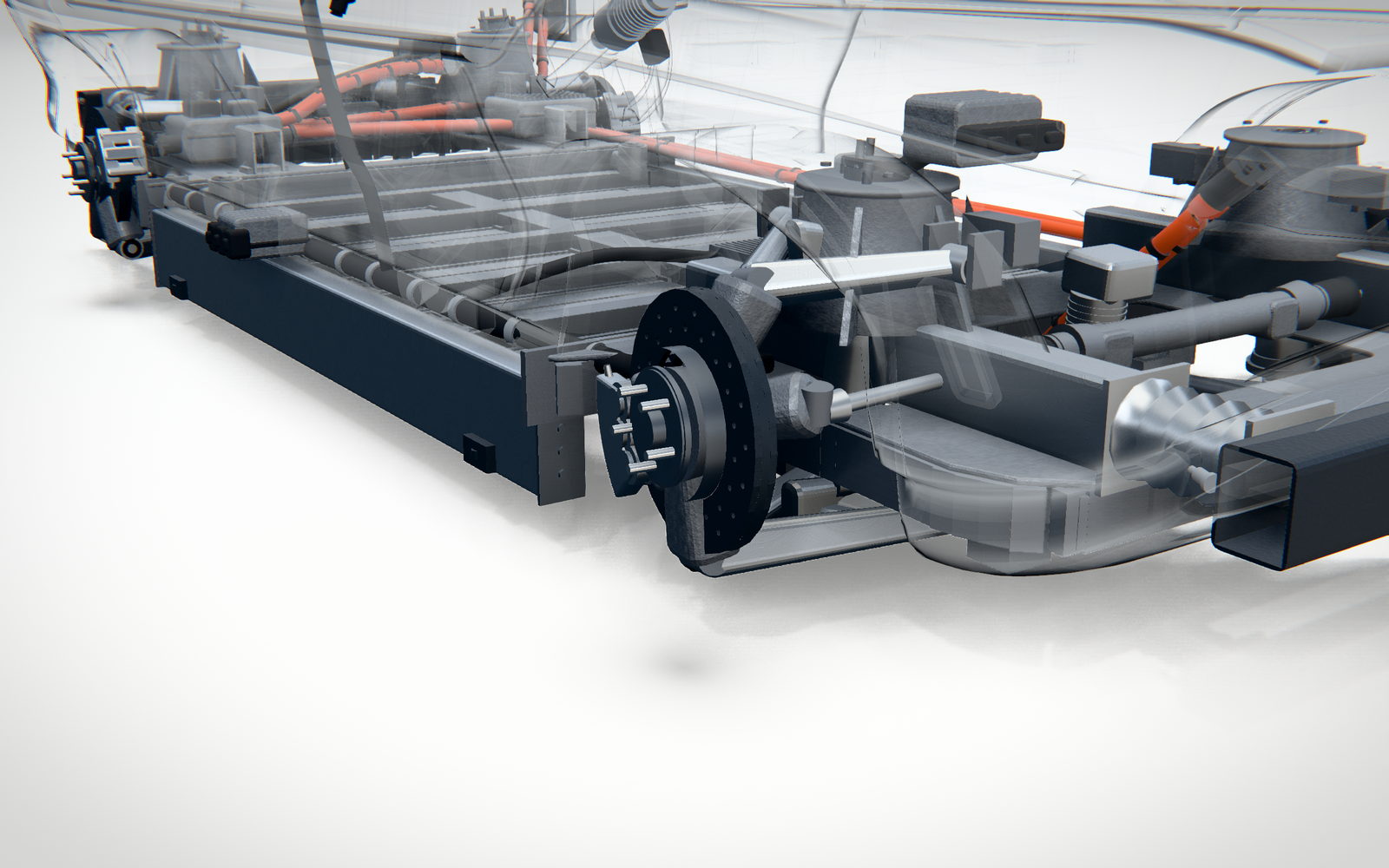
Atlas EV1 is a concept car that exists only as code. Twelve chapters take it apart in order: the floor, the body in the airstream, the platform, the pack, one cell, the software that counts those cells, the two drive units, the inverter, the thermal loop, a charging session, braking, and the linkages underneath. Nothing in it was modelled by hand. There are no model files, no textures, no CDN and no network requests: 327 registered parts and 601 meshes are generated at load from a single table of dimensions, and that same table supplies every number in the written text. The car is invented. It is a plausible 2026 class D fastback, 4.940 by 1.950 by 1.420 metres on a 3.00 metre wheelbase, and it is not any manufacturer's product. What is real is the method: a way of explaining a complicated object in which the drawing and the explanation come from the same source and therefore cannot contradict each other.
One screen, twelve chapters
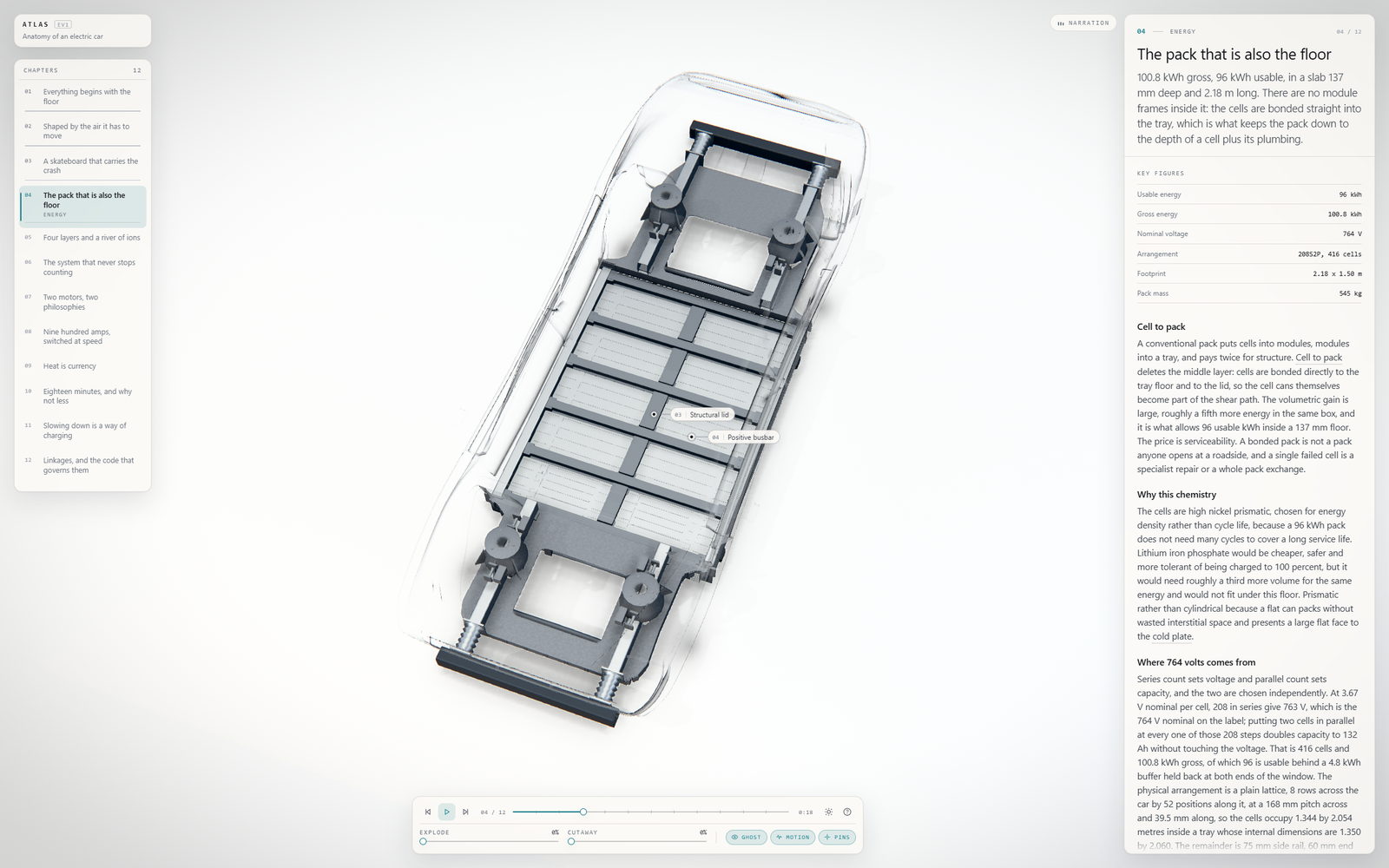
The twelve chapters sit at the left, the chapter itself at the right: standfirst, key figures, sections. The pins on the car follow a part id rather than a point on the screen. Along the bottom run the two sliders for explode and cutaway, with the toggles for the x-ray shell, motion and pins.
None of it is a picture of the car. At load, 327 registered parts and 601 meshes are generated from the dimension table, and the same table fills the key figures in the panel. An integrity audit finds pins that point at a part their own chapter hides, because a pin addresses an id and not a coordinate.
The method
One table, quoted rather than paraphrased
Every dimension of this car lives in exactly one place, a file called params.js: 4.940 by 1.950 by 1.420 metres overall, a 3.00 metre wheelbase, a tray of 2.18 by 1.50 by 0.137 metres, a cell of 163 by 102 by 32 millimetres. The twelve model modules read from it, and the written text quotes the same numbers instead of paraphrasing them.
That has an uncomfortable consequence, and the consequence is the point: the numbers have to close before anything can be drawn at all. Change one and everything downstream moves with it. During the build the tray went from 110 to 137 millimetres deep, because a 102 millimetre cell stands on a 12 millimetre cold plate under a bolted lid. That pushed the cabin floor to 0.286 metres, the sill to 0.34 and the hip point to 0.56. The packaging tax is now a paragraph in the first chapter.
The body itself is a program: a parametric surface with a sampler that glass, lights and trim call instead of guessing coordinates. Parts register under dotted ids, battery.module.03 for instance, and chapters, camera anchors, callouts and motion channels address only those strings. No chapter imports a model file, and no model file knows that chapters exist. That is precisely why the model, the content, the camera and the interface could be built at the same time.
What it costs and what it buys are on the same line. There are no model files, no textures, no CDN and no network request; 327 registered parts and 601 meshes are generated at load. A trade fair stand or a factory floor with no internet is therefore the ordinary case rather than a special one, and a piece like this costs a script instead of a modelling seat and an asset licence.
The drawing cannot contradict its own caption, because both come from the same line.
Before anything was drawn
Three impossibilities the arithmetic caught
- 01 The pack did not carry its own energy 208 cells in series at 3.67 volts and 120 ampere hours is 91.6 kWh, not the 101 the table claimed. Going to 208S2P, that is 416 cells at 66 ampere hours, gives 100.8 kWh gross at 764 volts and 96 kWh usable. The obvious alternative, 132 ampere hours in the old 0.568 litre can, was rejected: it implies 852 Wh per litre, beyond what a prismatic cell does.
- 02 The pack was too shallow for its own cell A 102 millimetre cell standing on a 12 millimetre cold plate under a bolted lid does not fit in 110 millimetres. The tray is now 137 millimetres deep. Those 27 millimetres sit today in the cabin floor at 0.286 metres, the sill at 0.34 and the hip point at 0.56, which is why knees end up higher in a skateboard than in a saloon of the same roof height.
- 03 The pack passed through the rear wheels A 265 section tyre on a 1.67 metre track has its inner face 0.7025 metres off the centreline, inboard of a pack edge at 0.75, and its envelope spans 1.127 to 1.873 metres along the car. A 2.9 metre pack ran straight through it. At 2.18 metres, centred on the wheelbase, it clears by 37 millimetres, and the space that frees fore and aft is exactly where the subframes and the drive units belong.
- 04 None of the three was visible All three fell out of the arithmetic before a single pixel was rendered. A model that guesses its dimensions and writes its numbers beside them would have carried all three into the finished image: 101 kWh in a tray that holds 91.6, a lid resting on the cell, and a pack running through the wheels. Only a reader who does the sums would ever notice.
Six chapters in one run
Four of the twelve
Four chapters, four jobs
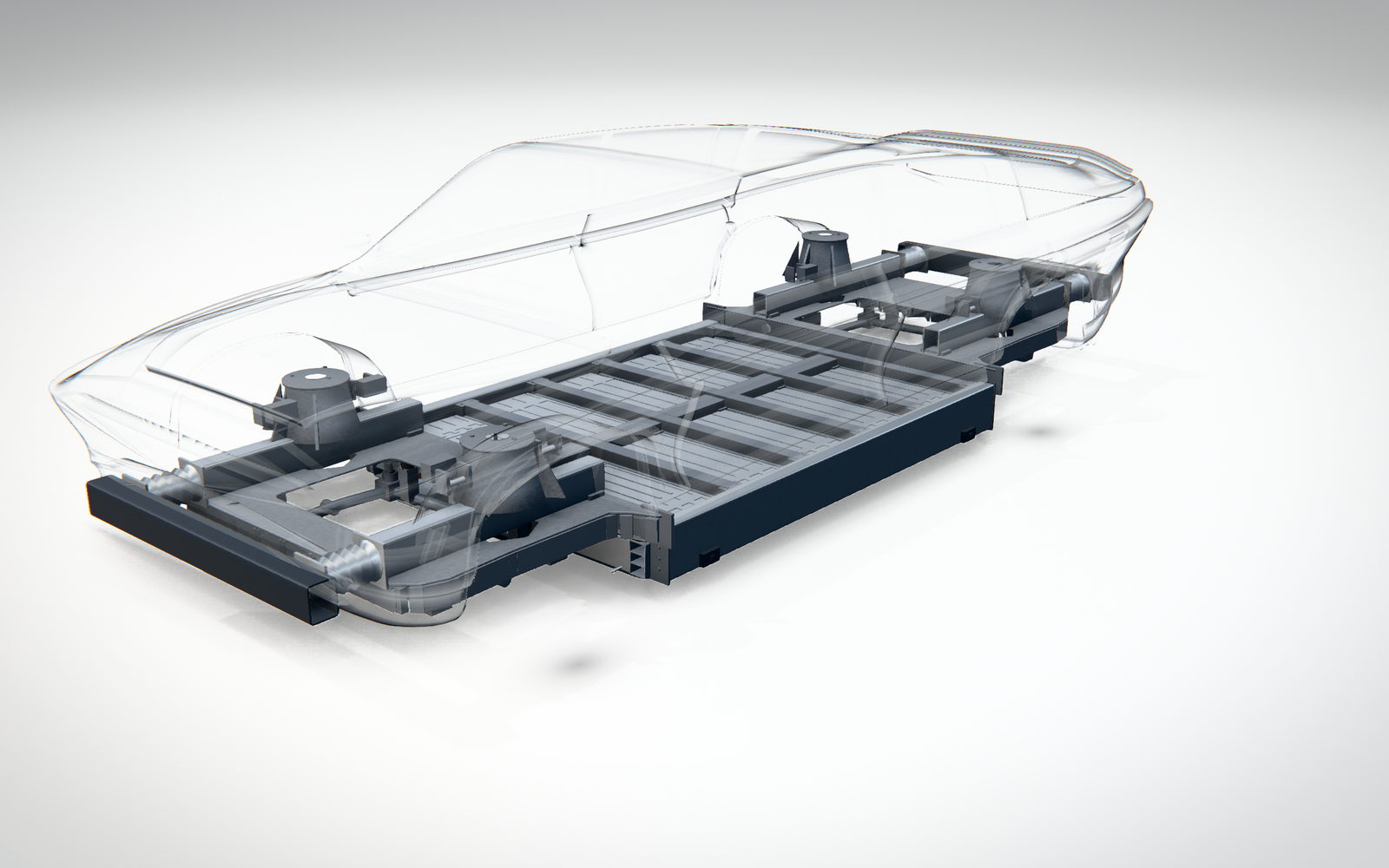
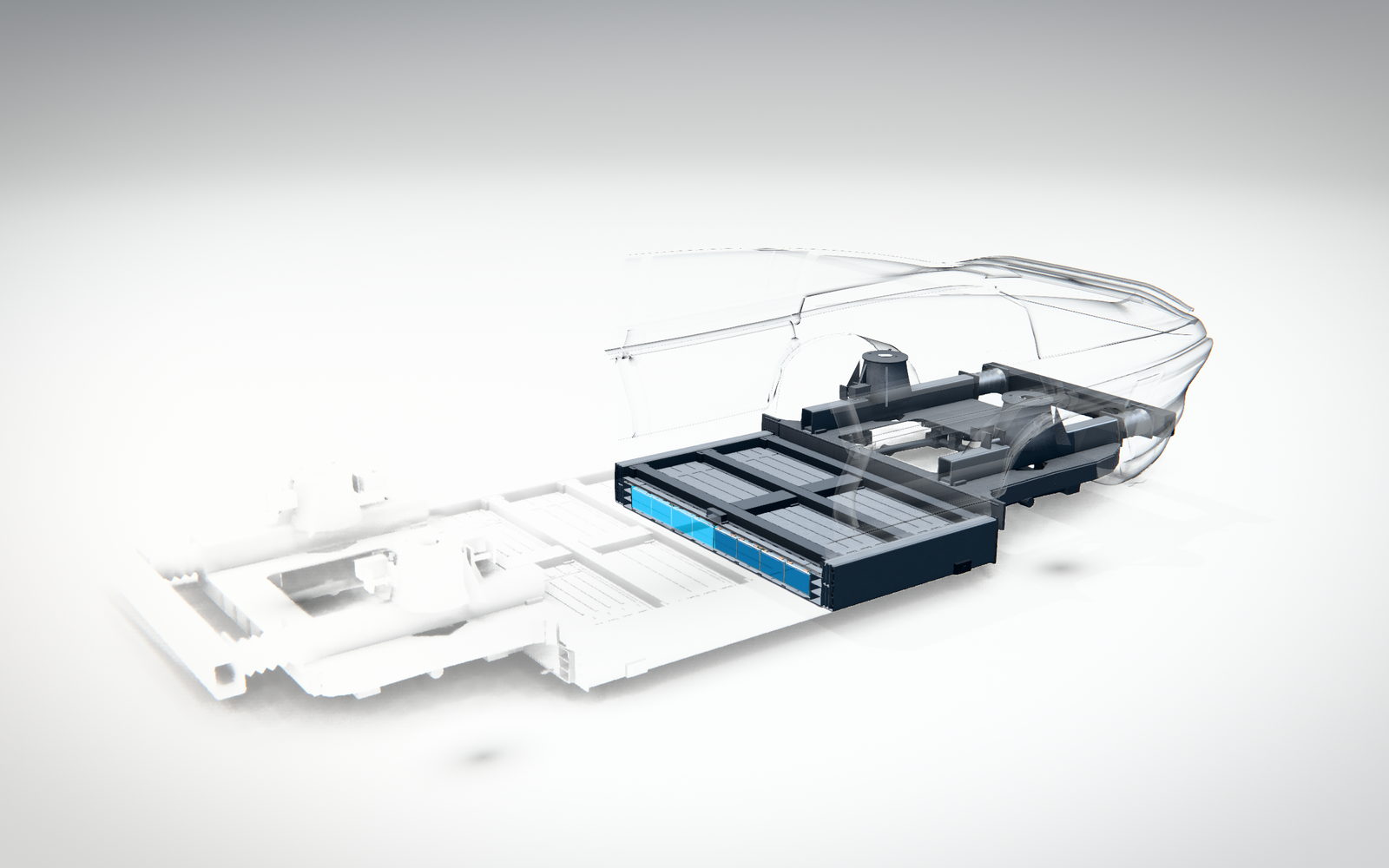
The pack in the carChapter 04 turns the outer skin transparent so the floor becomes visible. The shell is unlit and driven by two decoupled fresnel ramps: the wide one sets colour, the tight one sets opacity. With a plain semi transparent material it saturated into a flat white silhouette at close range.
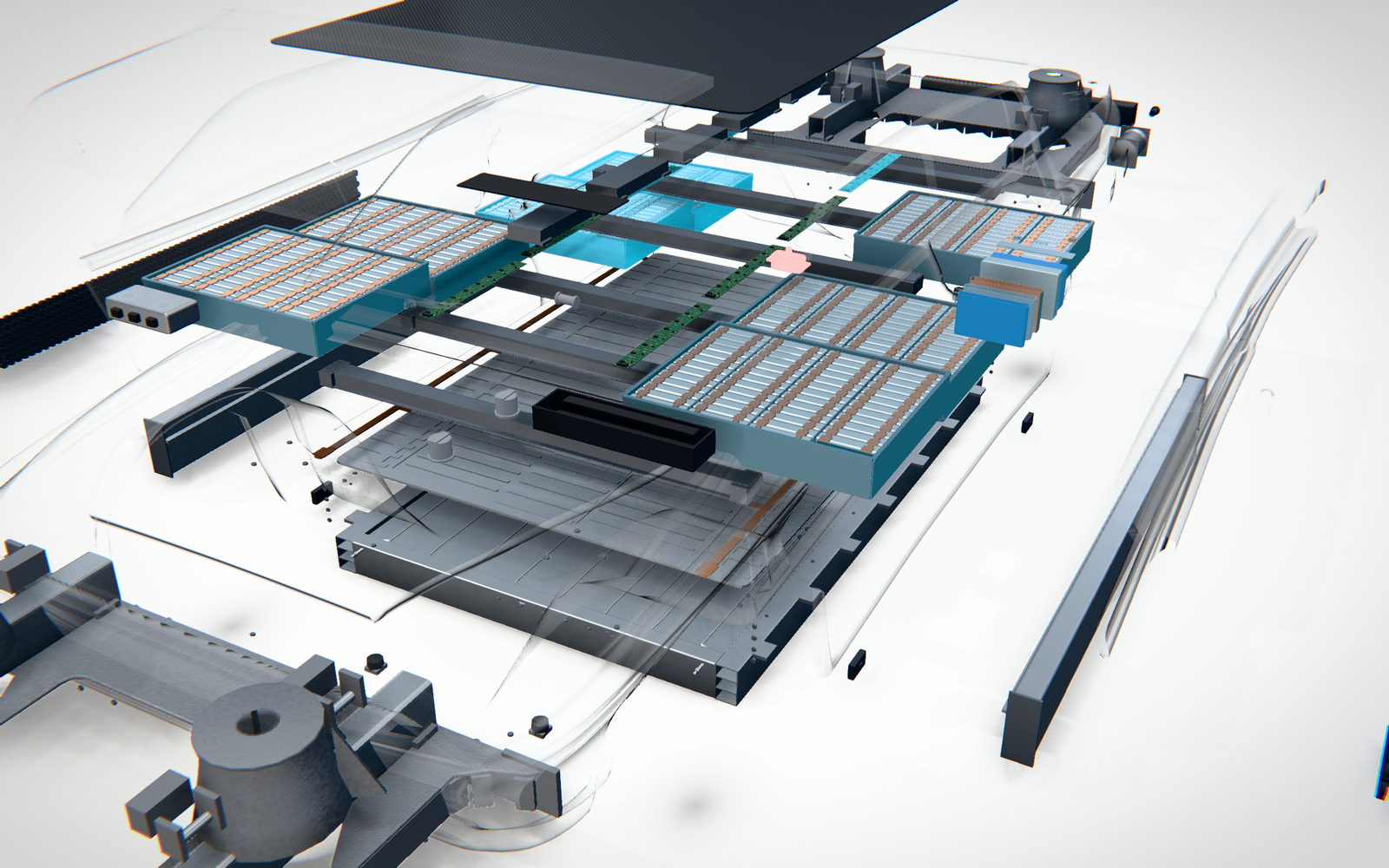
The pack openedThe same chapter with the explode slider a little past half. 416 cells sit on a lattice of 8 rows by 52 positions; at a pitch of 168 by 39.5 millimetres they occupy 1.344 by 2.054 metres inside a tray of 1.50 by 2.18 metres. The rest is side rails, end walls and the cold plate manifolds.
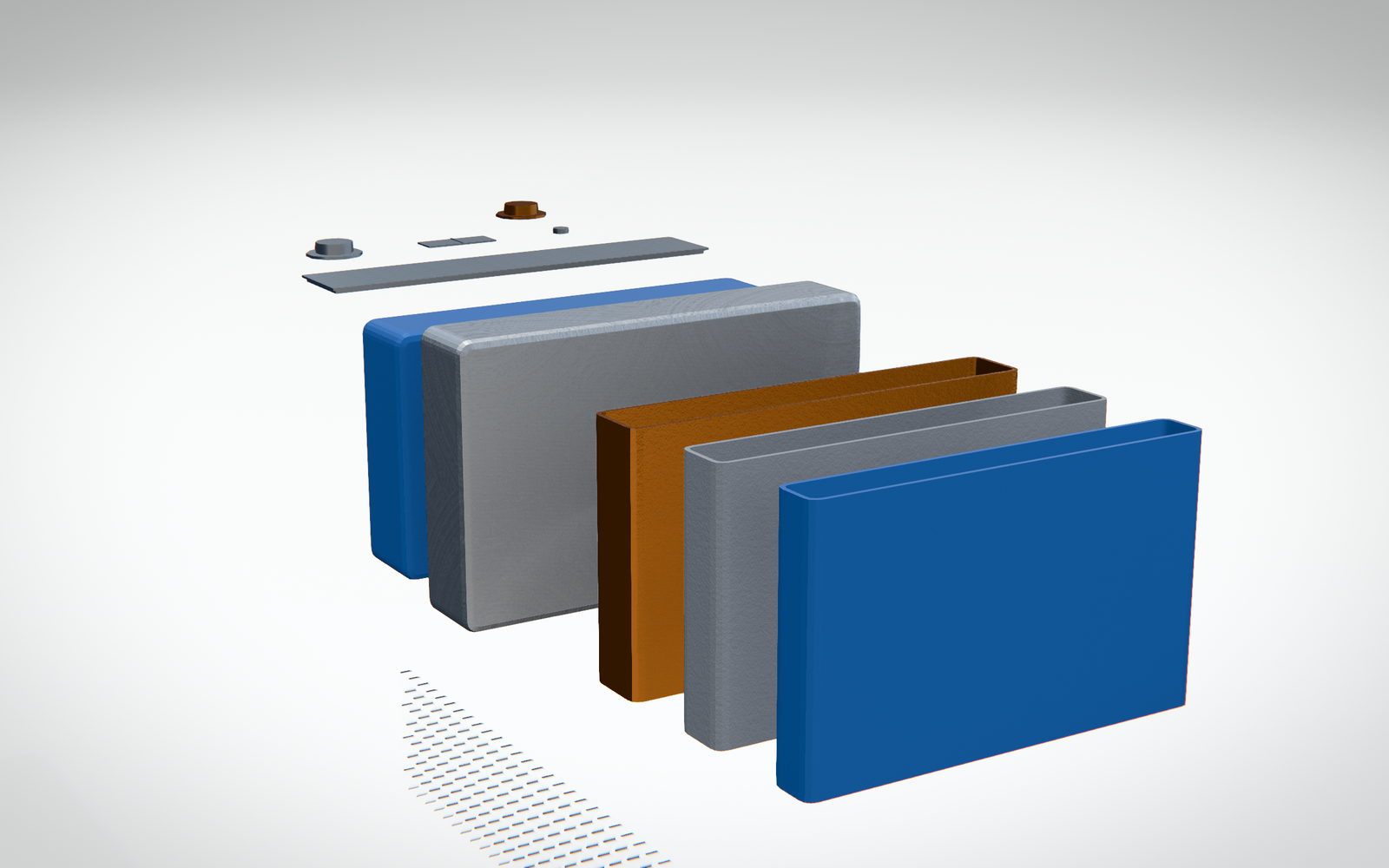
One cellChapter 05 takes one cell apart. 163 by 102 by 32 millimetres is 0.532 litres; at 66 ampere hours and 3.67 volts that is 242 watt hours, so 455 watt hours per litre. That single number is what ruled out the larger cell the table started with.
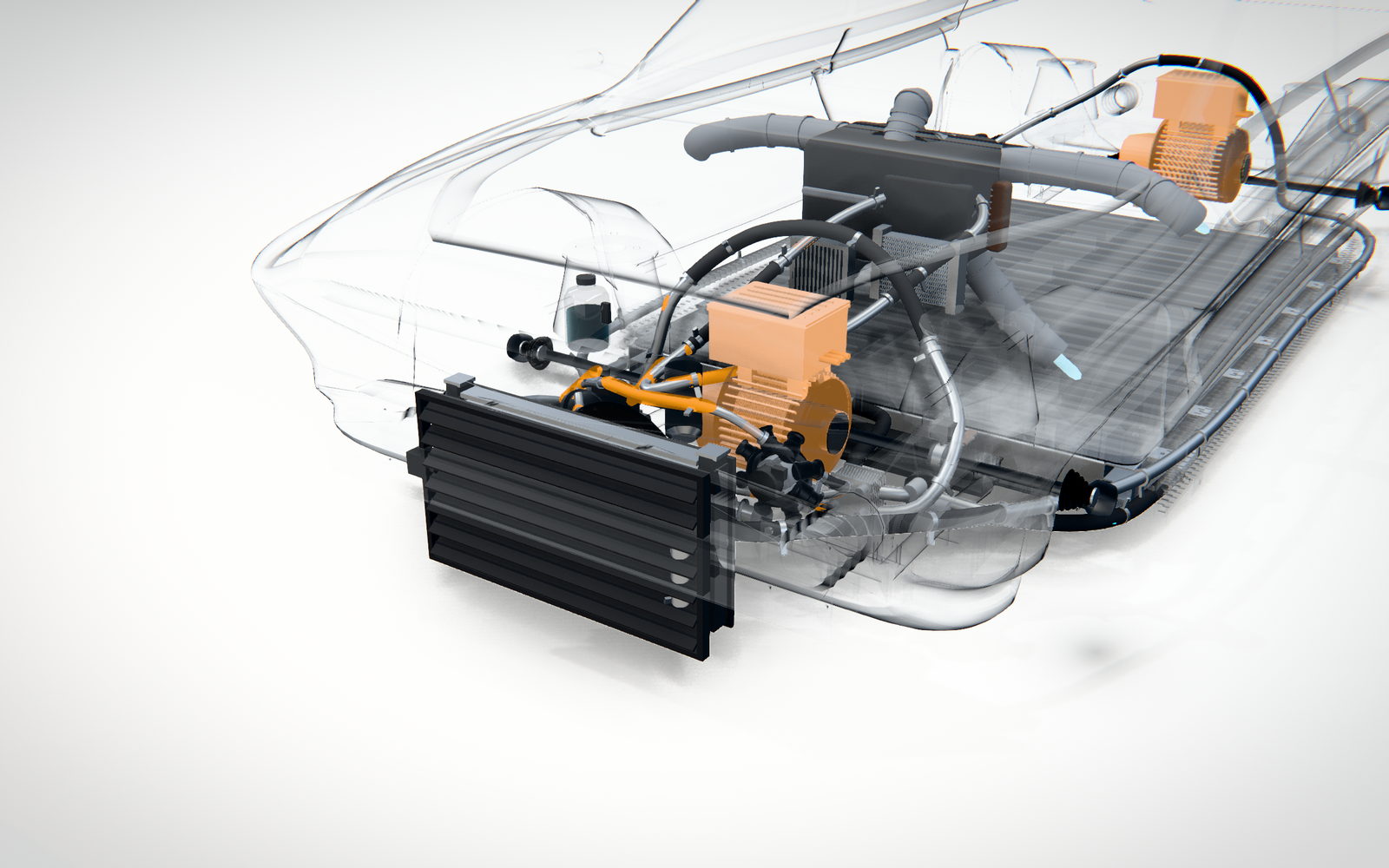
The thermal loopChapter 09. Each line carries its curve as data and the flow animation runs along that same curve, so the pipe and its motion cannot drift apart. The load the loop has to carry is arithmetic: 230 kW at 95 percent efficiency is 11.5 kW of waste heat from the rear drive alone.
What is arithmetic, and what is only plausible
Had to close
- The pack electrics: 208 cells in series at 3.67 V is 763.4 V, 764 on the label. 416 cells at 3.67 V and 66 Ah is 100.8 kWh gross, of which 96 is usable behind a 4.8 kWh buffer.
- The cell: 163 by 102 by 32 mm is 0.532 litres, and at 242 Wh that is 455 Wh per litre.
- The lattice: 8 by 52 positions at a 168 by 39.5 mm pitch is 1.344 by 2.054 m, which fits a tray of 1.50 by 2.18 m.
- The drive ratio, measured in the running application: 376.375 against 41.589 radians per second gives 9.050, exactly the value in the table.
- The body frequency: 38,000 N/m at the wheel against roughly 481 kg of sprung mass per corner gives the 1.4 Hz the table quotes.
- The waste heat: 230 kW at 95 percent efficiency is 11.5 kW for the thermal loop to carry away.
Chosen to be plausible, not measured
- The drag coefficient of 0.198 on 2.24 m2 of frontal area. There was no wind tunnel and no flow calculation, and the lines in the image are an explanatory device.
- The performance figures: 230 kW at the rear, 140 kW at the front, a 268 kW charging peak, 18 minutes from 10 to 80 percent. No measured curve sits behind them.
- The heat pump coefficient of performance of 2.6 at 0 degrees. No thermal model checks it.
- The torsional stiffness of 40,000 Nm per degree and the 2145 kg kerb mass. No crash analysis, no weighing.
- The consumption of 152 Wh per kilometre, derived from the road load in the same table and never driven.
- The vehicle itself. Atlas EV1 is invented, every dimension in it was chosen, and it is not any manufacturer's product.
Six more images out of the same application
Where an explainer like this earns its keep
- Machines a buyer has to understand before signing: what is inside, what moves, and why the parts sit where they sit.
- Processes with an order to them, where that order is the point and a photograph shows only one moment.
- Products with an invisible interior: a pump, a storage unit, a filter, a piece of building services equipment.
- Plant and buildings that do not exist yet, where a walkthrough stands in for a site visit that is not possible yet.
- Onboarding and training, where the same model carries the guided run, the free look and a glossary of the terms it uses.
“What I cannot create, I do not understand.”
Why this is published
What this means for your project
More from the lab
 Method Event Scout A language model reads the event pages; everything else is fixed code. What remains is a short list of where a day in person is worth it.
 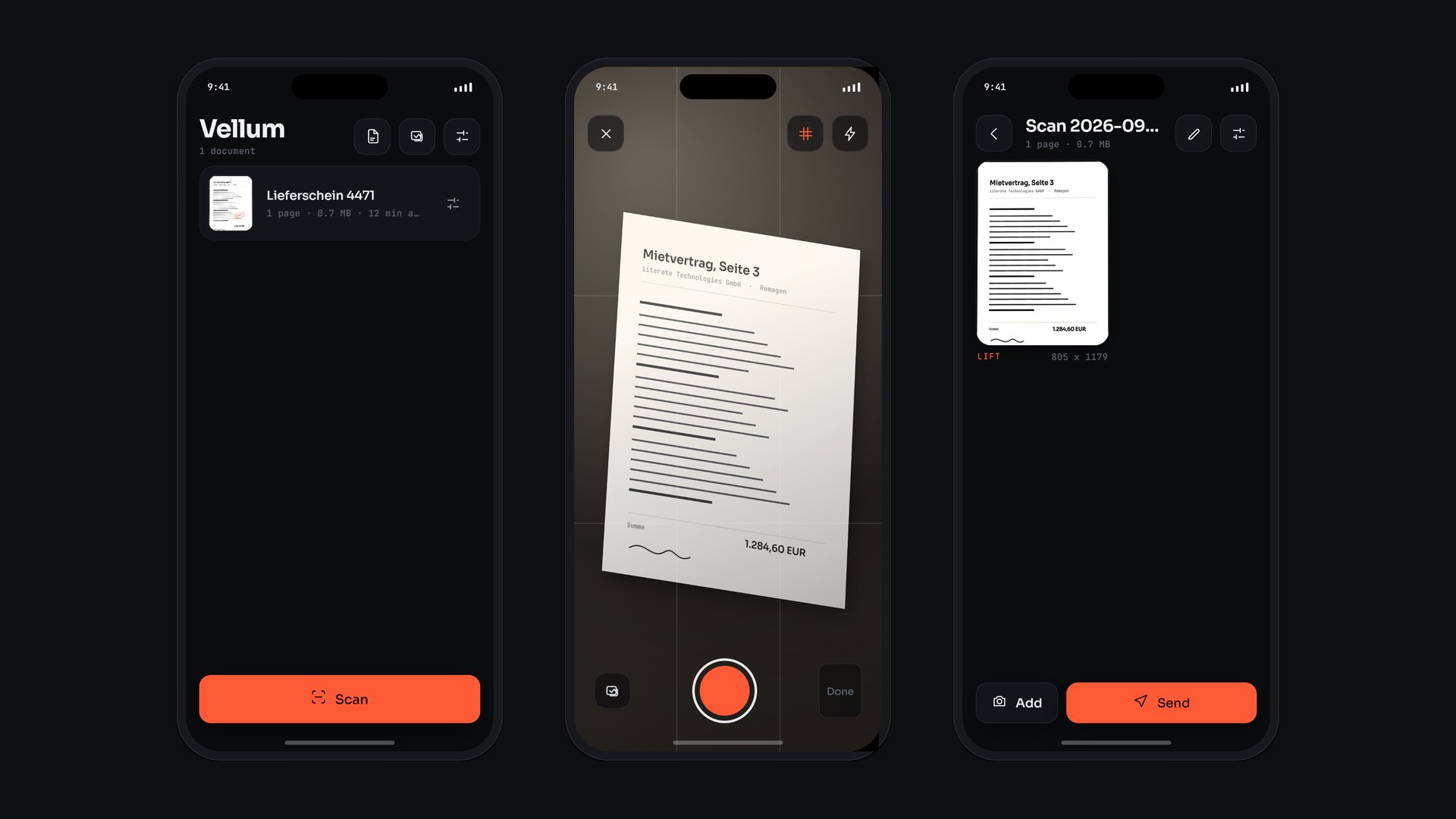 Applied Research Vellum Edges, perspective, light and text are all worked out on the phone. A document leaves the device only when someone sends it.
 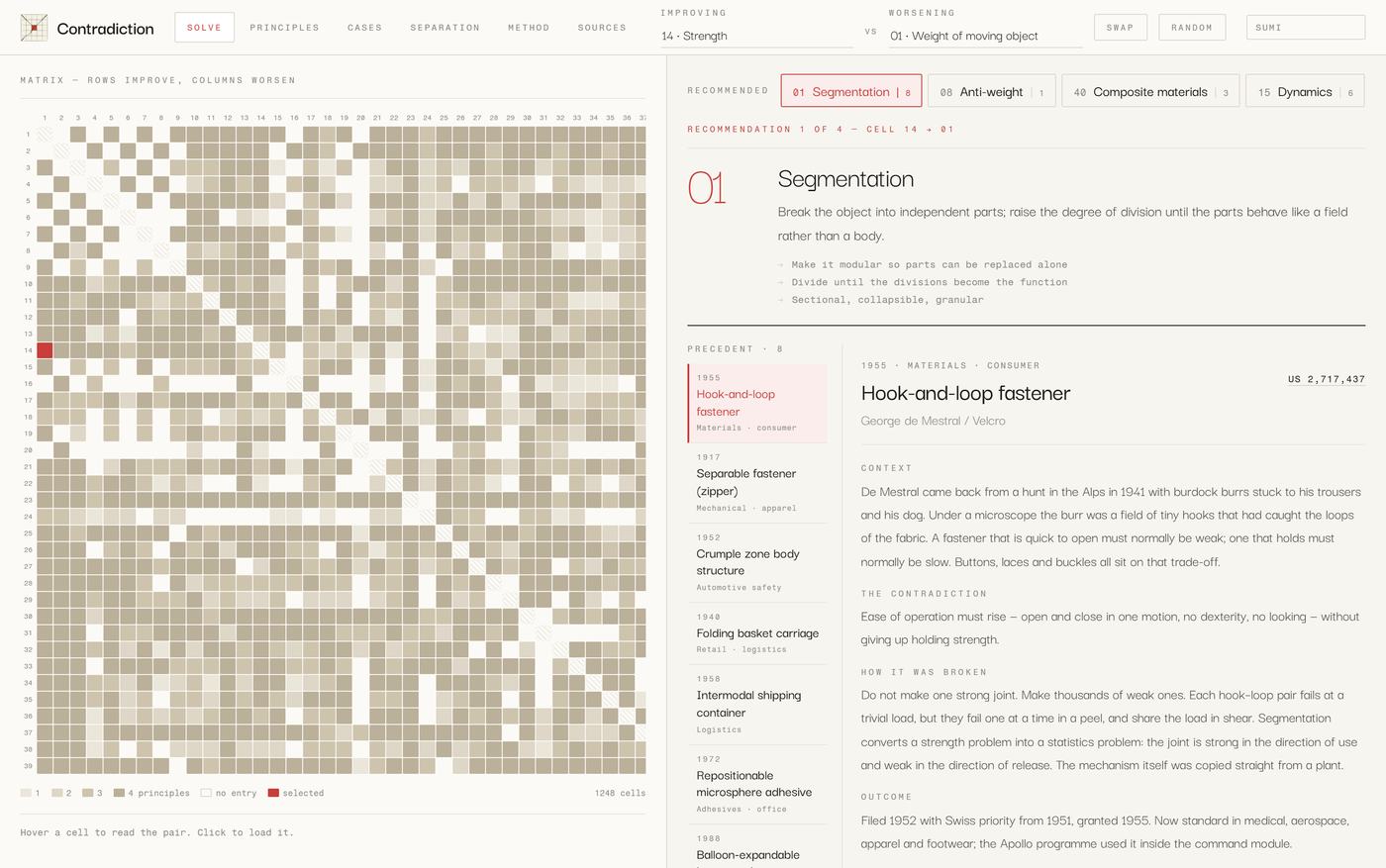 Method Contradiction State what has to improve and what gets worse when it does. You get the principles that resolved that exact pair, and the inventions that did it.
 Do you have something complicated that has to be explained to someone who does not already understand it? That is exactly what a pilot is for.
Get in touch