

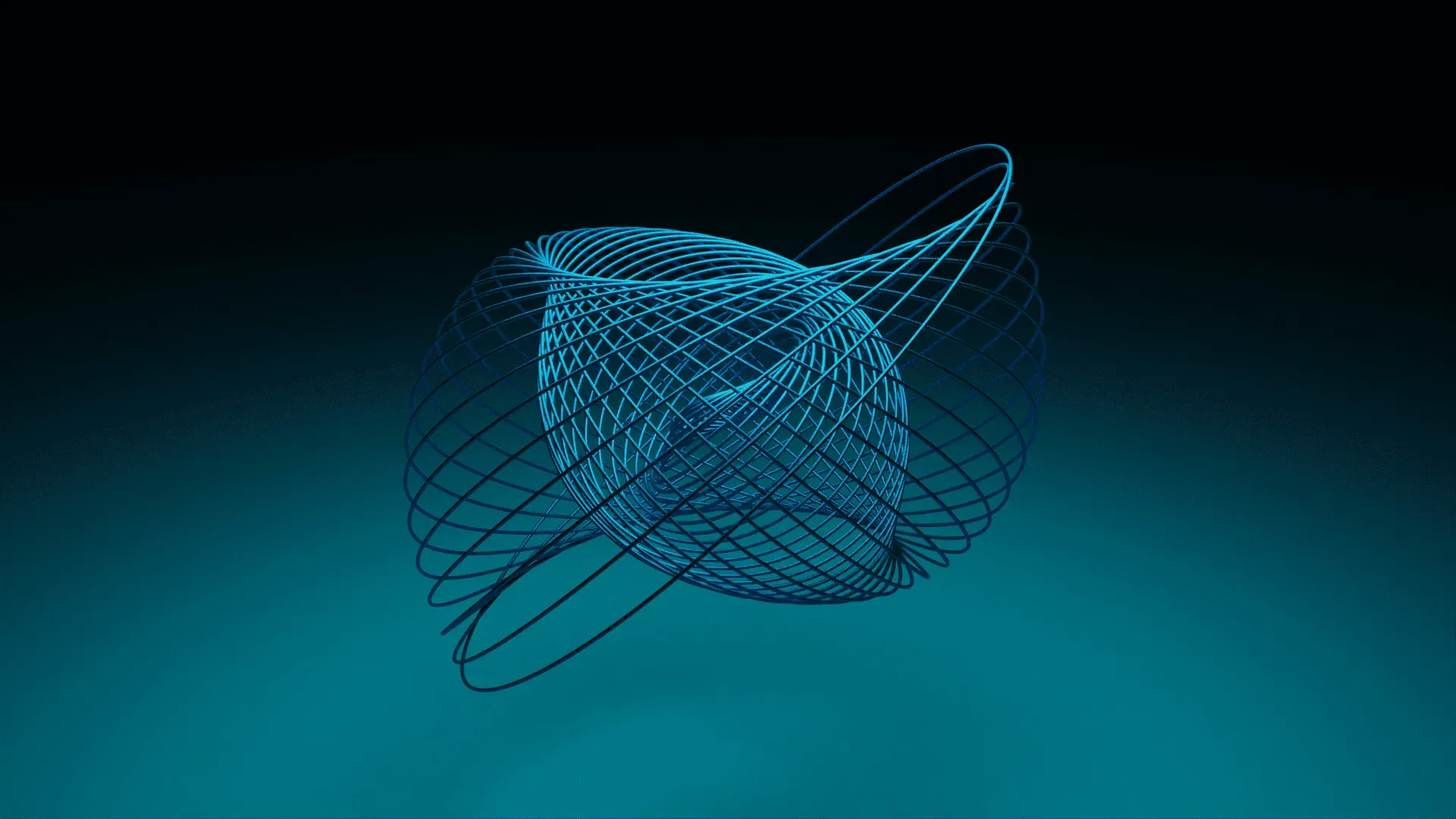
CASE STUDY 3D Design
What is Grasshopper 3D
An underrated overpowered computational design software from AEC Tech branch
- Year
- 2024
- Field
- 3D Design
- Tech stack
- Grasshopper 3D
- Location
- Germany
- Published
- Sep 28, 2024
The Impulse
As design projects became increasingly complex, designers and architects needed a tool to create, modify, and optimize intricate 3D structures with more efficiency. Grasshopper 3D, a visual programming language in Rhino, emerged to fill this need, empowering users to automate processes and expand the scope of design possibilities.
The Challenge
Traditional 3D modeling methods were time-consuming and often inflexible, limiting design creativity and experimentation. The challenge was to offer a platform where designers could easily explore parametric and algorithm-driven designs without requiring deep programming knowledge.
Solution Approach
Grasshopper 3D was developed as a plug-in to Rhino, transforming complex processes into an accessible visual interface. Its node-based structure allows users to drag and connect components, adjusting parameters intuitively and achieving real-time updates to designs. Through this, it removes the technical barriers of programming and makes advanced design tools accessible for architects, designers, and engineers alike.
Frequently asked questions
Grasshopper 3D is a visual programming language and plug-in for Rhino from the field of computational design for architecture, engineering and construction. Through a node-based interface, users connect components by drag and drop, adjust parameters and see design changes in real time.
Grasshopper 3D addresses the point where traditional 3D modelling is time-consuming and inflexible. The software makes it possible to create, modify and optimise complex 3D structures more efficiently, automate processes and explore parametric, algorithm-driven designs without deep programming knowledge.
Grasshopper 3D is aimed at architects, designers and engineers. Its visual interface removes the technical barriers of programming and makes advanced design tools accessible without deep programming knowledge, particularly for increasingly complex design projects.





More case studies
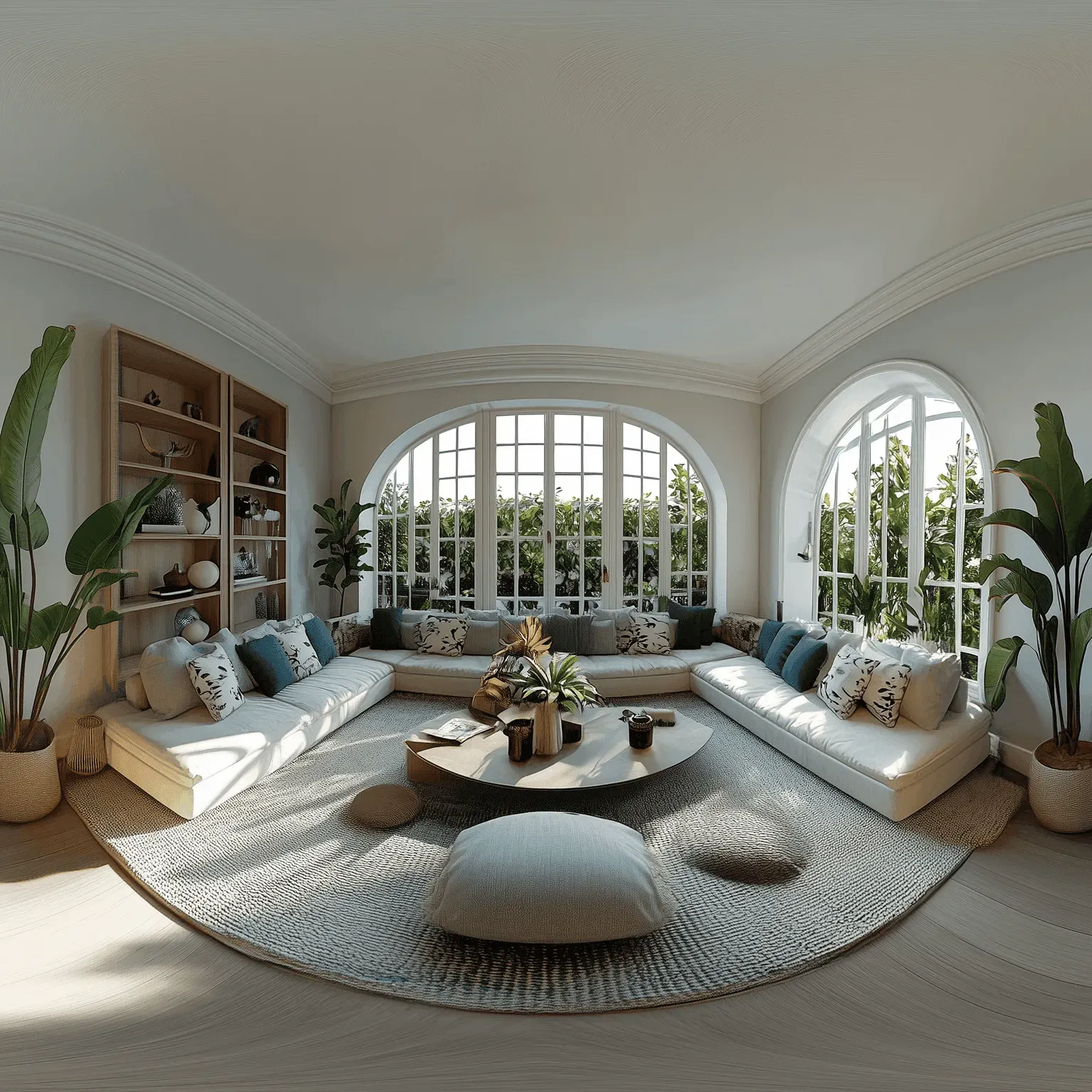
CASE STUDIES- VR Real Estate Tours Fully furnished properties as a walkable VR tour: the sense of space a floor plan cannot give - without a physical viewing.
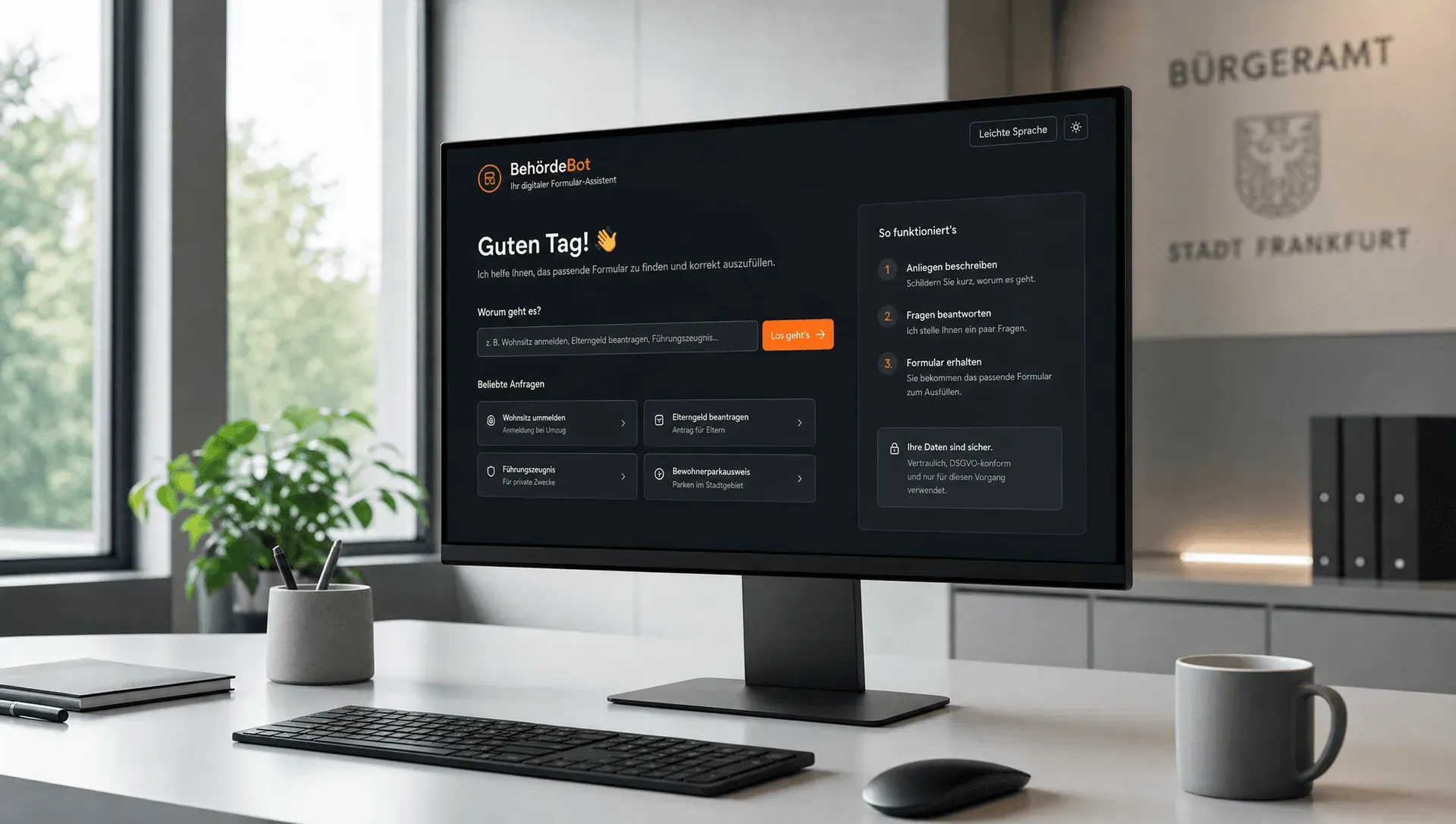
- Behördebot KI BehördeBot is an AI-powered assistant that helps users fill German public-service forms.
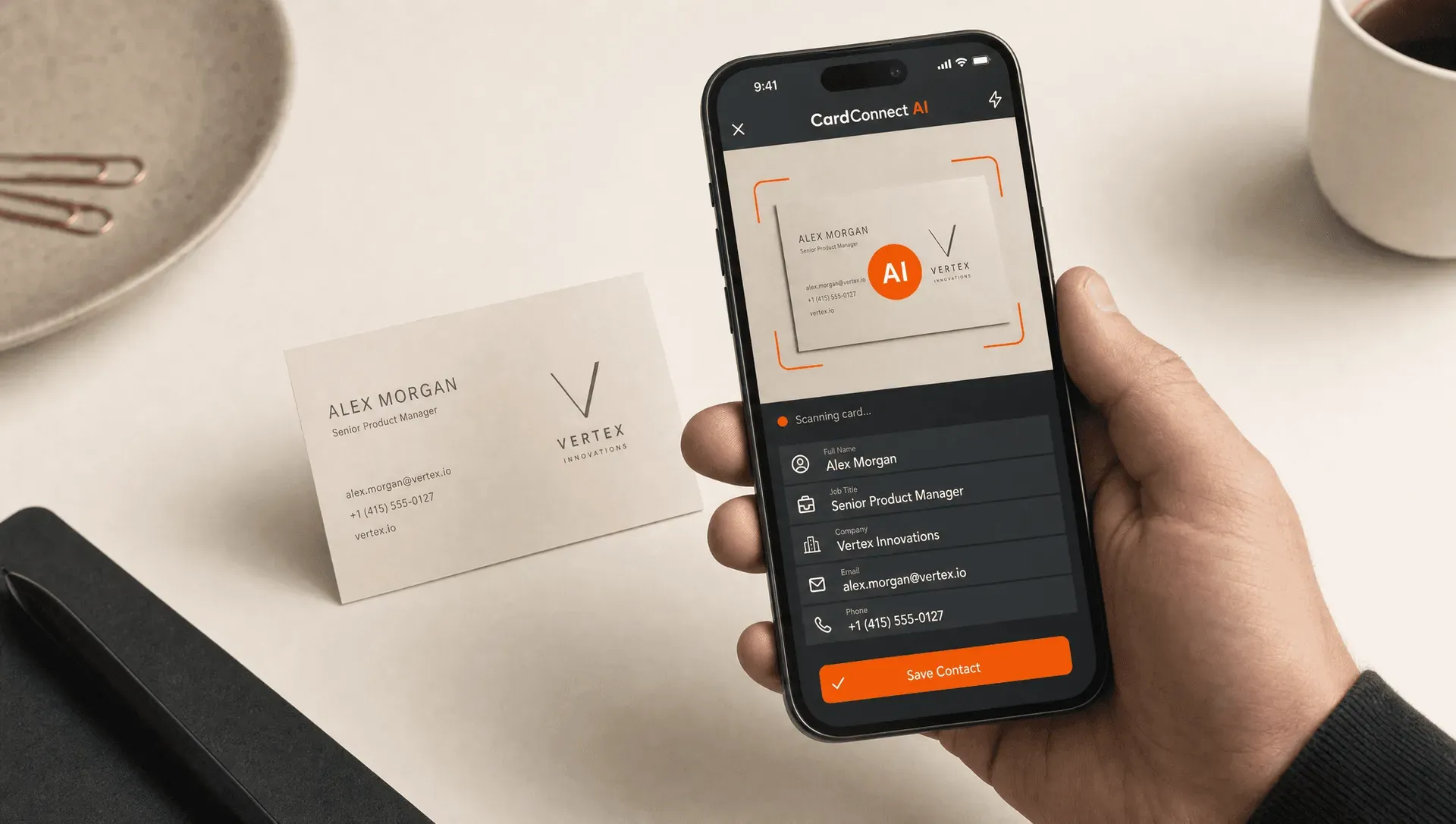
- CardConnect AI An AI-driven system that automates the process of digitizing business contacts from visiting cards.
Have a comparable brief? We start with a design-thinking pilot.
Get in touch Or: request a 20-minute first call