

PROJECTAI
RadReport AI: Chest X-ray Reports
From chest X-rays to clinical reports — how multimodal AI is reshaping diagnostic workflows.
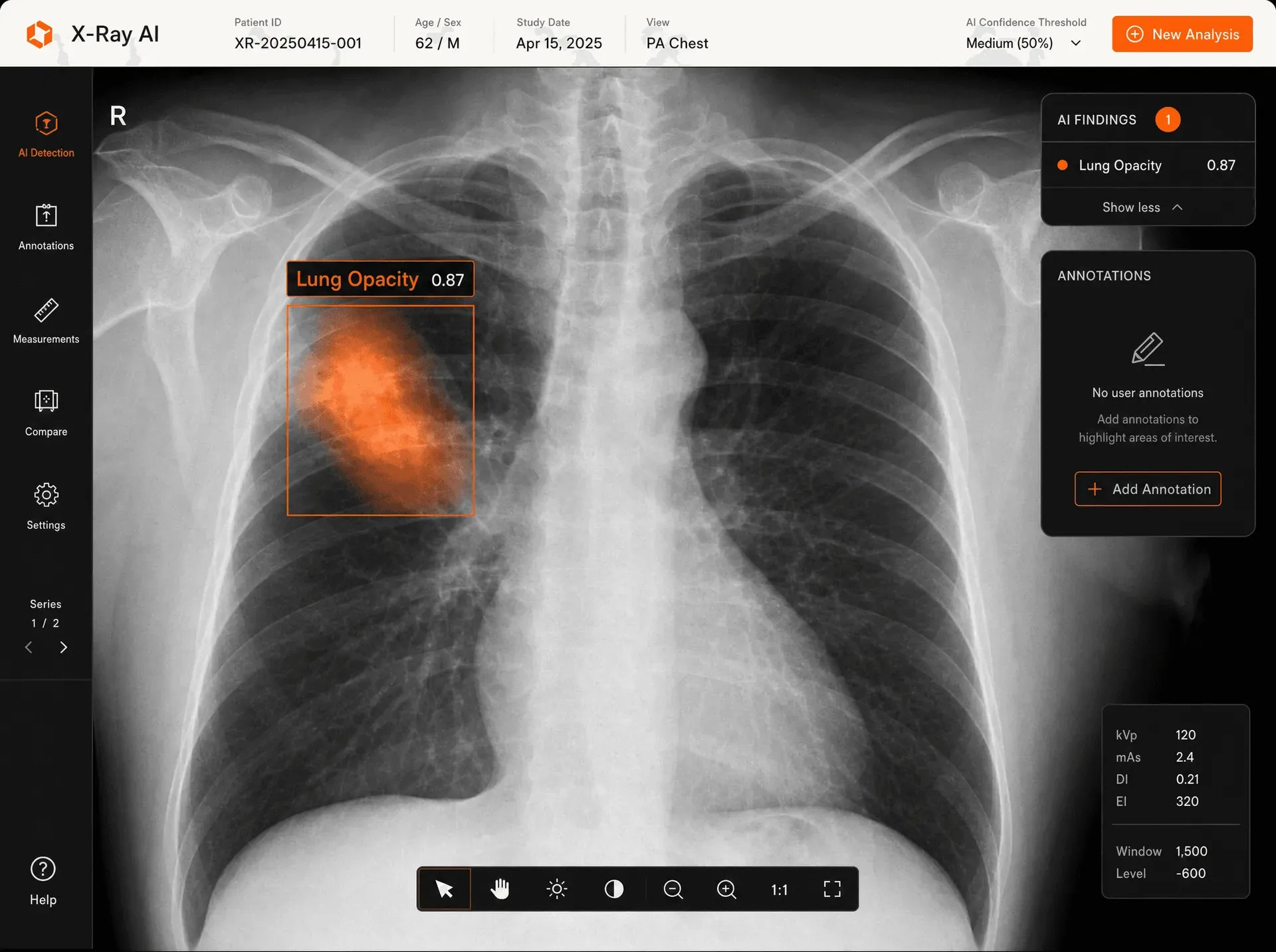
At iiterate Technologies, we build intelligent tools that solve real-world challenges — from document workflows to diagnostics. One of our recent experimental projects, RadReport AI, explores how multimodal AI can assist radiologists in generating consistent, accurate reports from chest X-rays.
This prototype system combines computer vision and natural language processing to generate clinical summaries from medical images — in seconds.
Why We Built This
Radiologists spend significant time interpreting chest X-rays and manually writing structured reports. While accuracy is critical, the process is repetitive and time-consuming. Our goal with RadReport AI was to explore how AI can help pre-fill initial summaries, allowing radiologists to review, revise, and finalize — rather than start from scratch.
It’s not about replacing expertise. It’s about amplifying it.
How It Works
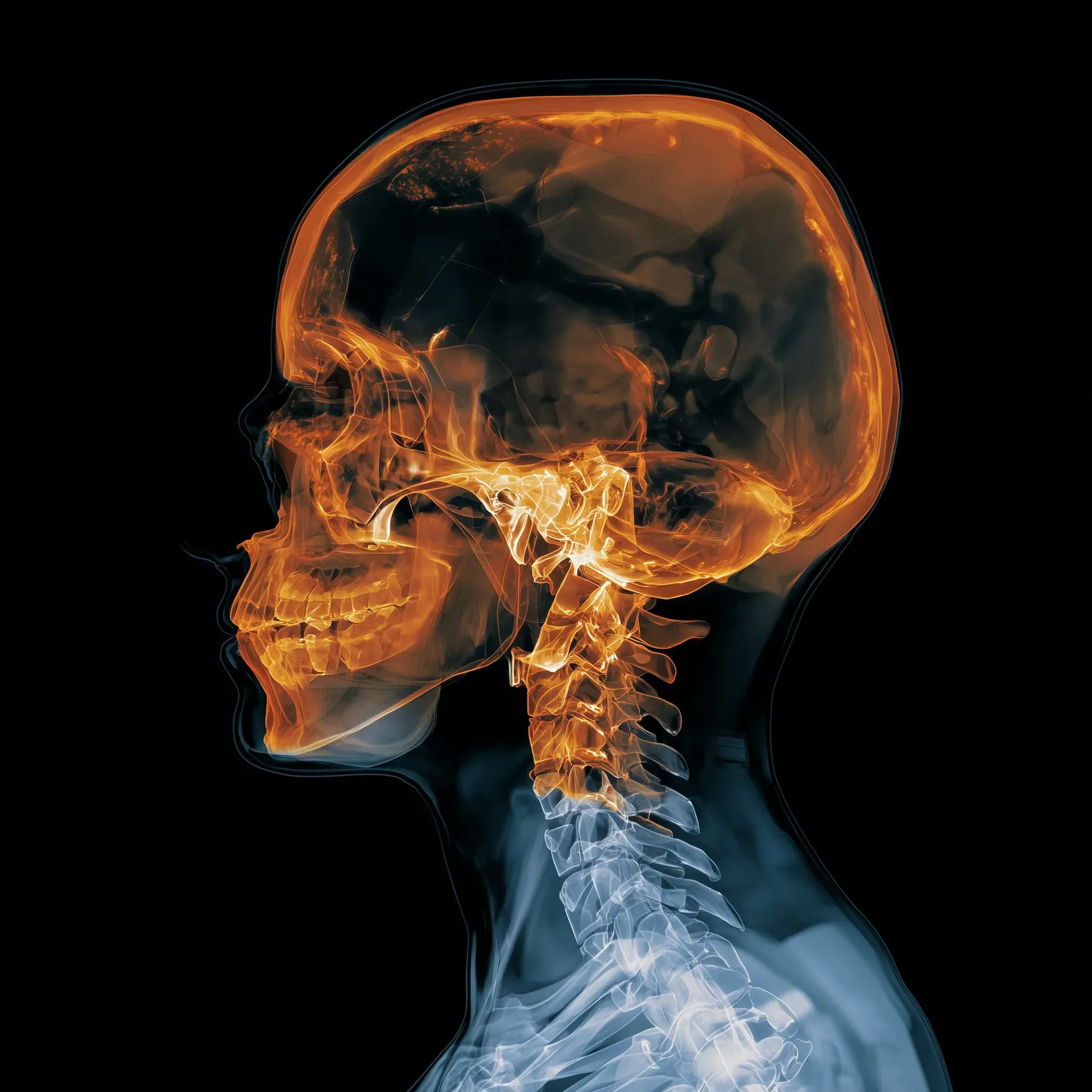
RadReport AI is built using a multimodal pipeline that links visual understanding with text generation. The model was trained on the Indiana University Chest X-ray dataset, which includes over 7,000 labeled images and reports.
Core tech components:
- Vision Encoder: ViT (
vit-base-patch16-224) - Language Decoder: GPT-2
- Tokenizer: Hugging Face AutoTokenizer
- Training Framework: PyTorch + Transformers
- UI Deployment: Streamlit, hosted on Hugging Face Spaces
Once a chest X-ray is uploaded, the model detects relevant patterns in the image and translates them into clinical findings using a GPT-based decoder.
What It Can Do
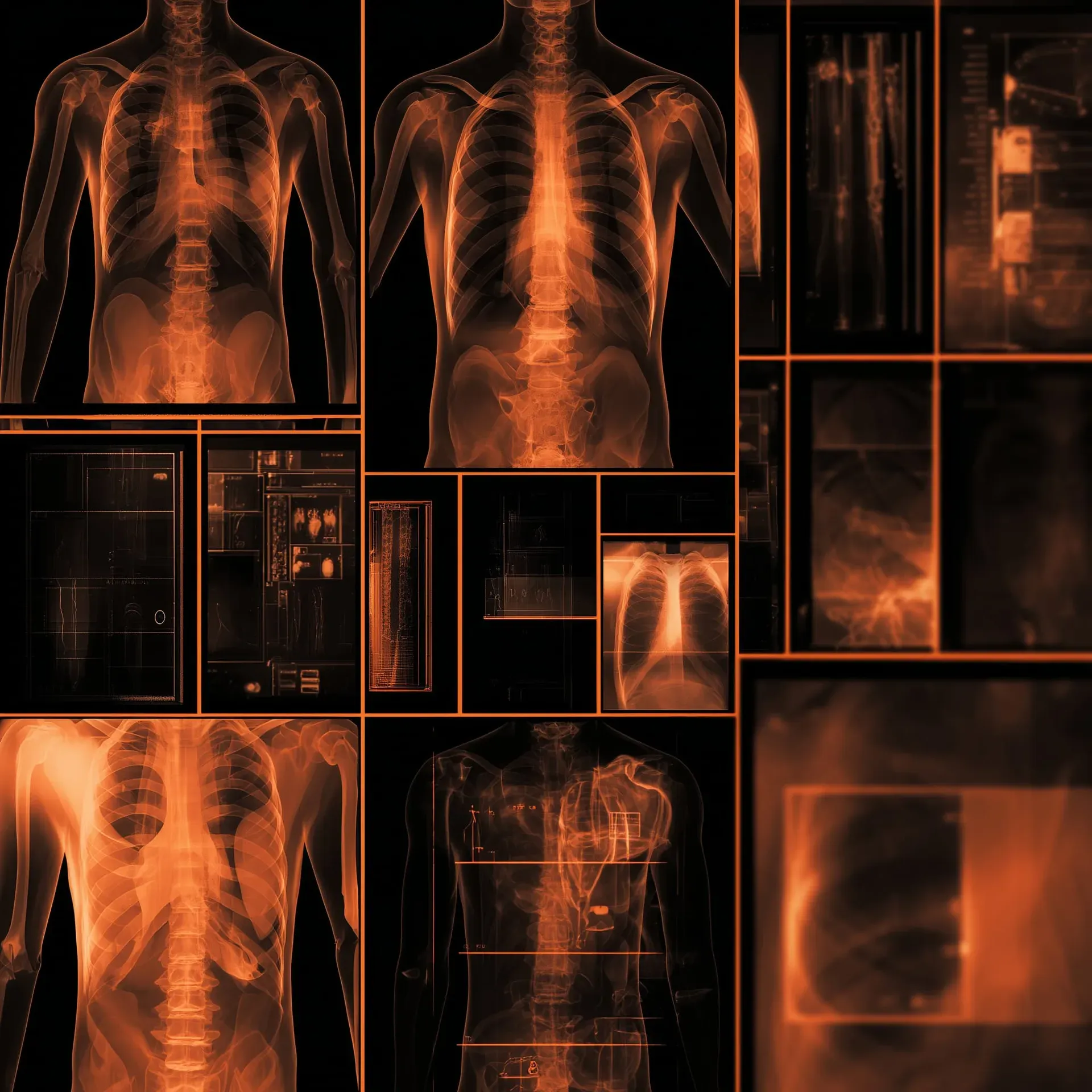
Here’s what RadReport AI currently supports:
- Detect and interpret chest X-ray features
- Generate concise "Impression" summaries
- Validate outputs using BLEU, ROUGE, and METEOR
- Run inference via a live, interactive demo
- Support explainable outputs using attention-based methods (upcoming)
Evaluation Scores:
- BLEU: 0.51
- ROUGE-1: 0.55
- METEOR: 0.53
These results reflect a strong overlap with expert-generated reports.
Real-World Potential
RadReport AI is a proof of concept, but its use cases are tangible:
- Radiology Clinics: Quick impressions that radiologists can edit and approve
- Medical Training: Helps students map visual data to clinical terms
- Healthcare AI Research: Testbed for multimodal diagnostic pipelines
It’s publicly hosted, requires no installation, and is open for testing and feedback.
What’s Next
We’re currently working on:
- Multi-section reports (e.g., Findings + Impressions)
- Attention visualizations for more transparency
- Ontology integration (e.g., RadGraph alignment)
- Expansion into multilingual reporting
If your clinic, research lab, or university is exploring AI-supported radiology, we’d be happy to collaborate.
Final Thoughts
RadReport AI is a small but meaningful step in exploring how vision-language models can support medical professionals. At iiterate, we see AI as a tool to amplify human intelligence, not replace it — and we build with that mindset.
Stay tuned as we continue to push the boundaries of applied AI.
Frequently asked questions
RadReport AI is an experimental prototype that generates concise clinical Impression summaries from chest X-rays. The aim is to give radiologists a pre-filled first draft they review, revise and finalise instead of starting from scratch. The system is a proof of concept.
RadReport AI combines a Vision Transformer (vit-base-patch16-224) as image encoder with GPT-2 as language decoder. Tokenisation uses the Hugging Face AutoTokenizer, and training used PyTorch and Transformers on a chest X-ray dataset of more than 7,000 labelled images and reports.
RadReport AI was evaluated with BLEU, ROUGE and METEOR against expert-written reports. The scores are BLEU 0.51, ROUGE-1 0.55 and METEOR 0.53. The generated reports are intended as drafts that radiologists review, edit and approve.
The interactive RadReport AI demo is built with Streamlit and hosted on Hugging Face Spaces, usable without installation. Once a chest X-ray is uploaded, the model detects relevant patterns in the image and translates them into clinical findings through the GPT-based decoder.




Get to know more
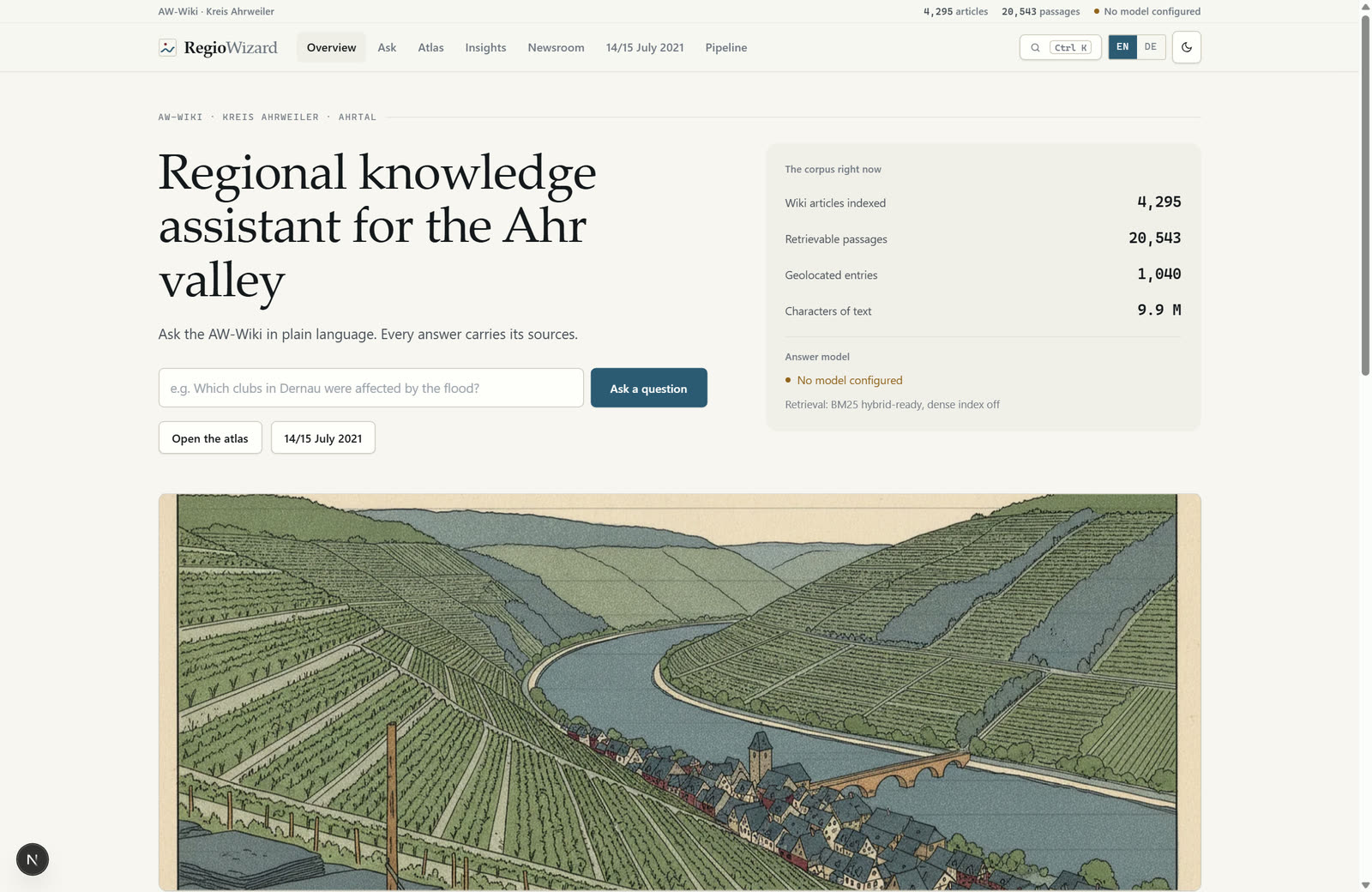 AI RegioWizardA working prototype that answers the regional wiki of the Ahrweiler district in plain language: with a footnote on every claim, a map, a newsroom desk and a visible retrieval trace. AI Aria: AI Voice ConversationsAI voice platform automating customer conversations with sub-100ms latency and CRM integration.
 HAVE A COMPLEX IDEA THAT YOU WOULD LIKE US TO IMPLEMENT?
KICK OFF WITH A DESIGN-THINKING PILOT OR A CONSULTING CALL.