Tools
·
3 MIN
Grasshopper 3D: parametric design without code
Grasshopper turns 3D modeling into parametric, data-driven design, no code. What it is, how it works, where it fits.
LOCATION
Worldwide
SERIES
Design, Generative Media & Creative Pipelines
AUTHOR
Aashwin Shrivastava
PUBLISHED
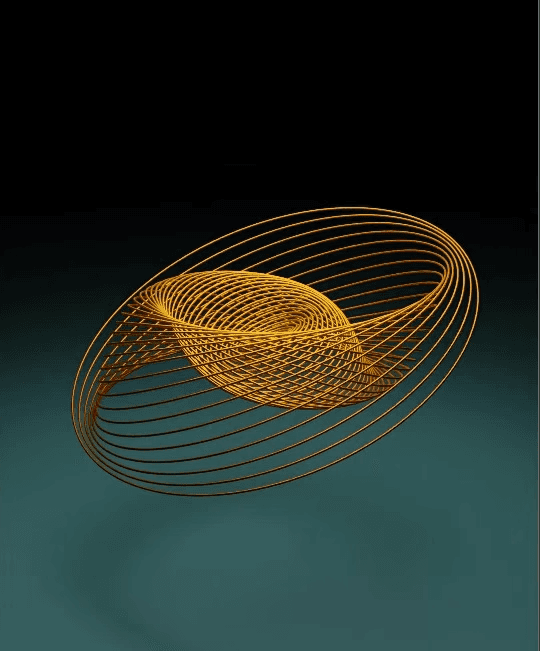
Grasshopper turns 3D modeling into a parametric, data-driven process: change an input value and the geometry updates, no traditional coding required. For design and architecture work that has to explore many variations quickly, that changes how the work gets done.
01.
What Grasshopper is
Grasshopper is an algorithmic modeling tool inside Rhino. You build geometry by wiring together nodes, called components, in a flowchart. Each component does one job, from a math operation to a geometry transform, and the connections define how data flows from one to the next.
The result is parametric: alter one element and the dependent elements adjust with it. Plugins extend the reach, among them Kangaroo for physics, Ladybug for environmental analysis, and Karamba for structural work.
02.
How it works
The environment is drag and drop. Components have typed inputs and outputs, numbers, geometry, lists, and the model updates in real time as you change a value or a relationship. You control parameters like dimensions, rotation, or material properties directly.
Because there is no scripting to learn first, the entry curve is gentler than code, while the ceiling stays high enough for genuinely complex operations: iterate a design, analyse a structure, or simulate a physical property, all in one canvas.
03.
Where it fits
Architecture and urban planning: facade designs, layouts, and spatial planning driven by site and environmental factors.
Product and furniture design: customizable models where dimensions, materials, and attributes change parametrically.
Engineering and structural analysis: with Karamba, simulate forces, tension, and material performance before anything is built.
Environmental analysis: with Ladybug, model sunlight, heat transfer, and airflow toward more efficient designs.
In our computational-design work this is the bridge between an idea and a buildable, tested variant, without restarting the model each time the brief shifts.